

Latest News
Prepare your backup generator for winter with 9 essential maintenance tips to prevent fuel gelling, battery failure and cold-weather breakdowns.

Winter brings unique challenges for businesses that depend on back-up generators. Cold temperatures can cause fuel to gel, batteries to drain faster and moisture to damage electrical systems.
Regular winter maintenance protects your generator from cold-weather failures and ensures it provides reliable power when you need it most. Winter is one of the most demanding seasons for commercial power generation systems, as severe weather and fluctuating temperatures put extra strain on equipment. Small problems that seem minor in warmer months can turn into major breakdowns when temperatures drop.
Here, we'll cover practical steps to prepare your back-up generator for winter conditions. You'll learn how to prevent fuel issues, maintain batteries, protect electrical connections and keep your system ready to handle emergency power demands throughout the cold season.
1. Inspect and clean fuel tanks to prevent water contamination and ice blockages
Water contamination poses a serious threat to your generator's fuel system during winter. When temperatures drop, water in fuel tanks can freeze and create blockages that prevent proper fuel flow.
Condensation forms inside fuel tanks when warm air meets cold surfaces. This moisture sinks to the bottom of the tank and can mix with your fuel supply.
Regular inspections help you catch contamination early. Check your tanks for visible water accumulation and signs of debris or sludge build-up. Maintaining adequate fuel levels reduces the space for warm air inside the tank, which decreases condensation risk.
Clean your fuel tanks before winter arrives, removing sediment and water that have collected at the tank bottom. This prevents particles from clogging your generator's fuel filters and lines.
Schedule fuel tank inspections at regular intervals throughout the cold months. Look for leaks, rust and damage that could worsen in freezing conditions. Address any issues immediately to avoid costly equipment failures in the winter.
2. Use diesel fuel additives to stop gel formation in cold temperatures
Diesel fuel contains paraffin wax that crystallises when temperatures drop. This causes your fuel to gel and blocks filters, preventing your backup generator from starting.
Anti-gel diesel additives lower the pour point and keep fuel flowing in freezing conditions. You should add these products to your tank before temperatures fall, as they cannot reverse gelling that has already occurred.
Timing matters with winter additives. Add them when fuel temperatures are still above the cloud point, which is when wax crystals first appear. Winter diesel additives also help improve cold starts and protect your fuel system from moisture-related problems. Choose products designed specifically for cold weather performance rather than all-season formulas.
For generators that sit idle between uses, additives reduce sediment buildup and fuel degradation during storage. This ensures reliable combustion when your backup power system needs to run.
3. Check and replace engine oil with a winter-grade lubricant
Engine oil thickens in cold temperatures, which makes it harder for your generator to start and run properly. Choosing the right type of lubricants is one of the most important steps in winter preparation.
Check your oil level whenever you add fuel by using the dipstick. Many generators shut down automatically if the oil gets too low, protecting the engine from damage.
Winter-grade oils have lower viscosity ratings, which means they flow better in cold weather. This helps reduce engine wear during cold starts when standard lubricants are too thick to circulate quickly. That's why it's important to replace your current oil with a winter-grade lubricant before temperatures drop.
Oil filters need checking and replacing regularly too. Clogged filters reduce oil flow and increase engine wear. Change the filter when you switch to winter-grade oil to ensure proper circulation throughout your generator's engine.
4. Test battery condition regularly to avoid power failures in cold weather
Your generator battery needs regular testing during winter months. Cold temperatures can reduce battery capacity, making it harder for your generator to start.
Use a voltmeter to check your battery's health and assess it against your manufacturer's voltage requirements. You should also check your battery terminals for corrosion and clean them if necessary. Corroded terminals prevent proper electrical flow and weaken starting power.
It's important to schedule monthly battery tests throughout winter. This simple step helps you catch problems before they cause failures. A weak battery detected early can be recharged or replaced before an emergency strikes, ensuring your backup power system works reliably when needed.
5. Ensure coolant levels are adequate and use antifreeze suitable for low temperatures
Your generator's cooling system needs proper attention before winter arrives. Low coolant levels can lead to overheating and engine damage, even in cold weather. Check your coolant reservoir regularly throughout winter.
The type of antifreeze you use matters significantly. Antifreeze changes the freezing and boiling points of water in your cooling system. Without it, the coolant can freeze and cause serious damage to your generator's engine.
Your coolant should have a freezing point lower than the coldest temperatures expected in your area. Choose a product specifically formulated for low temperatures to keep the system flowing properly.
Inspect your generator's cooling system for leaks whilst checking levels. Look at hoses, clamps and connections for any signs of damage or seepage. These small checks prevent costly breakdowns when you need your backup generator most.
6. Inspect and tighten electrical connections to prevent moisture-related issues
Winter weather creates conditions where moisture can damage your generator's electrical system. Water and electricity are a dangerous combination that can lead to system failures or safety hazards.
Start by checking all electrical connections for signs of corrosion, rust or looseness. Cold temperatures cause metal components to contract, which can loosen connections over time. Tighten any loose terminals and replace corroded parts immediately.
Pay special attention to where cables enter electrical enclosures. Moisture can flow into electrical equipment enclosures through wiring systems, causing serious problems. Ensure all entry points are properly sealed.
Check that your generator has proper ground fault circuit interrupters (GFCIs) installed. GFCIs can prevent injuries if electrical cabling is exposed to water. Test these devices regularly to ensure they function correctly when needed.
7. Run the generator under load periodically to maintain operational readiness
You need to run your generator under load during exercise cycles to ensure it performs correctly when needed. Running under load means connecting actual equipment that draws power from the generator. This creates real working conditions that test your system properly.
Aim to run your generator for 20 to 30 minutes monthly. You can connect some of your business equipment or use dedicated load banks designed for testing.
Exercising the generator allows it to operate under load conditions, which mimics real-world usage scenarios. This practice confirms your generator can provide reliable power during unexpected outages.
Load testing helps prevent issues like wet stacking in diesel generators. It also keeps internal components lubricated and functioning properly. Your generator will stay ready to handle full operational demands when an actual power cut occurs.
8. Clean or replace air filters to ensure optimal engine performance
Your generator's air filter plays a key role in protecting the engine from dust, debris and contaminants. A clogged filter restricts airflow, which forces your generator to work harder and reduces its efficiency.
Before winter arrives, inspect your air filter carefully and clean away any debris. Clean air filters ensure proper airflow to the engine, which improves fuel efficiency and prevents overheating. This is especially important during winter.
Regular air filter maintenance is a simple task that takes only a few minutes but significantly extends your engine's life and maintains reliable performance when you need it most.
9. Check exhaust systems for blockages
Snow, ice and debris can block your generator's exhaust system during winter storms. Blocked vents restrict airflow, which increases the risk of overheating when the unit runs.
Before operating your generator, clear away any snow, ice or debris from around the exhaust outlets. Check that nothing obstructs the vents or exhaust pipes.
Winter weather can accumulate quickly. Clear snow from exhaust vents before a storm arrives and inspect the area again after heavy snowfall. Keep a clear space around these critical components.
Blocked exhaust systems also create dangerous conditions. Carbon monoxide can build up if exhaust gases cannot escape properly. This poses serious health and safety risks to anyone near the generator.
Make exhaust checks part of your regular winter maintenance routine. Inspect these areas weekly during cold months. Remove snow and debris to prevent blockages from forming.
Frequently asked questions
Winter generator maintenance requires attention to fuel systems, battery health, oil viscosity and coolant protection to prevent cold-weather failures and ensure reliable backup power when needed most. Here, we answer some of the most commonly asked questions around winter generator maintenance.
You need to start by inspecting and cleaning your fuel tanks to prevent water contamination that can freeze and block fuel lines. Winter generator preparation requires adding diesel fuel additives to stop gel formation when temperatures drop below freezing.
Replace your engine oil with a winter-grade lubricant that maintains proper viscosity in cold conditions. Old oil thickens in cold weather and can cause significant damage to your engine components.
Test your battery's condition and charging system to ensure reliable starting power. Check your coolant levels and verify that your antifreeze concentration can protect against the lowest expected temperatures in your area.
Inspect air filters and fuel filters for dirt or wear that could make cold-weather starting difficult. Clean or replace these components as needed to maintain optimal performance.
You should conduct visual inspections weekly during winter months to catch potential problems early. These quick checks should include examining for leaks, verifying coolant levels and ensuring the battery terminals remain clean and tight.
Perform monthly test runs under load to confirm your generator starts reliably and reaches the desired output quickly. These tests help identify issues before an actual power outage occurs.
Schedule professional generator servicing at least twice annually, with an inspection before winter begins. Regular servicing and maintenance are essential to keep generators running smoothly during critical periods.
Cold weather causes diesel fuel to gel when paraffin wax crystals form and solidify, blocking fuel filters and lines.
You can prevent fuel gelling by using winter-blend diesel fuel that contains additives designed for cold weather operation. Add anti-gel fuel additives to your tank before temperatures drop, as these products cannot reverse gelling once it occurs.
Store your generator in a sheltered location when possible to protect it from extreme temperature swings and moisture accumulation. If outdoor storage is necessary, use a weatherproof enclosure that allows proper ventilation whilst protecting against wind and precipitation.
Store diesel fuel in clean, sealed containers in a temperature-controlled environment to prevent condensation and water accumulation. Water is heavier than diesel and settles at the bottom of tanks, where it can freeze and block fuel lines.
Keep your fuel storage tanks at least 95% full to minimise the air space where condensation forms. Add fuel stabilisers to prevent degradation during extended storage periods, particularly if fuel will remain in tanks for more than 30 days.
Maintain an inventory of spare parts including filters, belts and fuses in a dry, climate-controlled location. Temperature fluctuations and moisture can damage these components and reduce their reliability.
Store replacement batteries in a cool but not freezing location, as extremely cold temperatures can reduce their shelf life and capacity. Keep batteries charged to approximately 50-75% during storage to prevent sulphation and maintain optimal condition.
Latest news
Temporary Power for Planned Shutdowns: A Site-Readiness Checklist

8 October 2026
A planned electrical shutdown should be easier to manage than an emergency outage. The date...
Read more...
What Signals Should a UPS or Generator Send to a BMS?
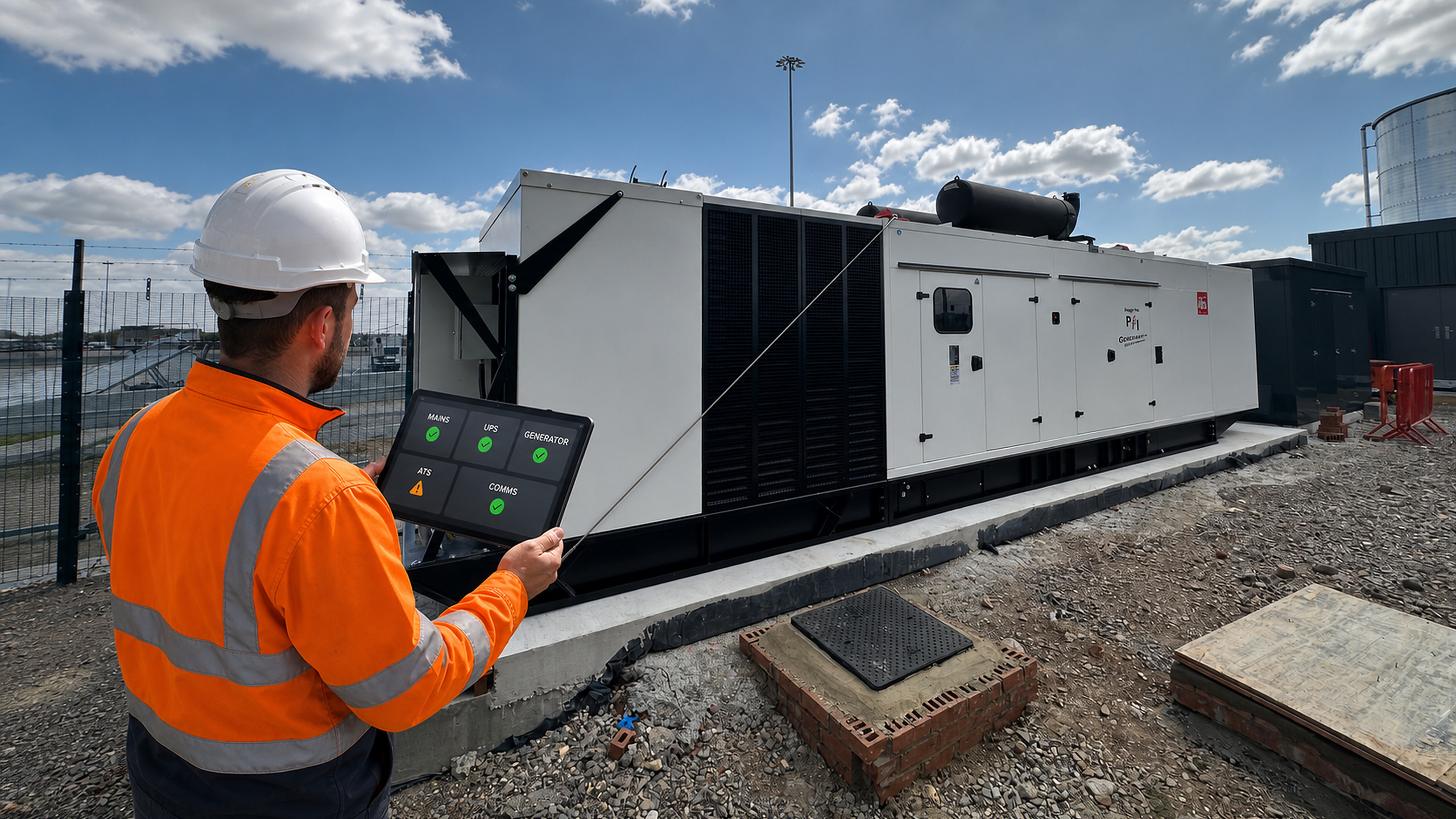
2 October 2026
A BMS can show that a generator is running or that a UPS has a...
Read more...
Generator Fuel Autonomy: How Many Hours of Backup Power Does Your Site Need?

25 September 2026
'How many hours will the generator run?' sounds like a simple fuel-tank question. In practice,...
Read more...
How Often Should an Automatic Transfer Switch Be Tested?

18 September 2026
An automatic transfer switch may remain in one position for months, then be expected to...
Read more...
UPS Fan Fault: Causes, Risks and Safe Next Steps

11 September 2026
Fans remove heat from power electronics, filters, transformers and other UPS components. If a fan...
Read more...
View all