

Latest News
Plan temporary generator power for an electrical shutdown with this checklist covering load, connection, access, fuel, testing and rollback.
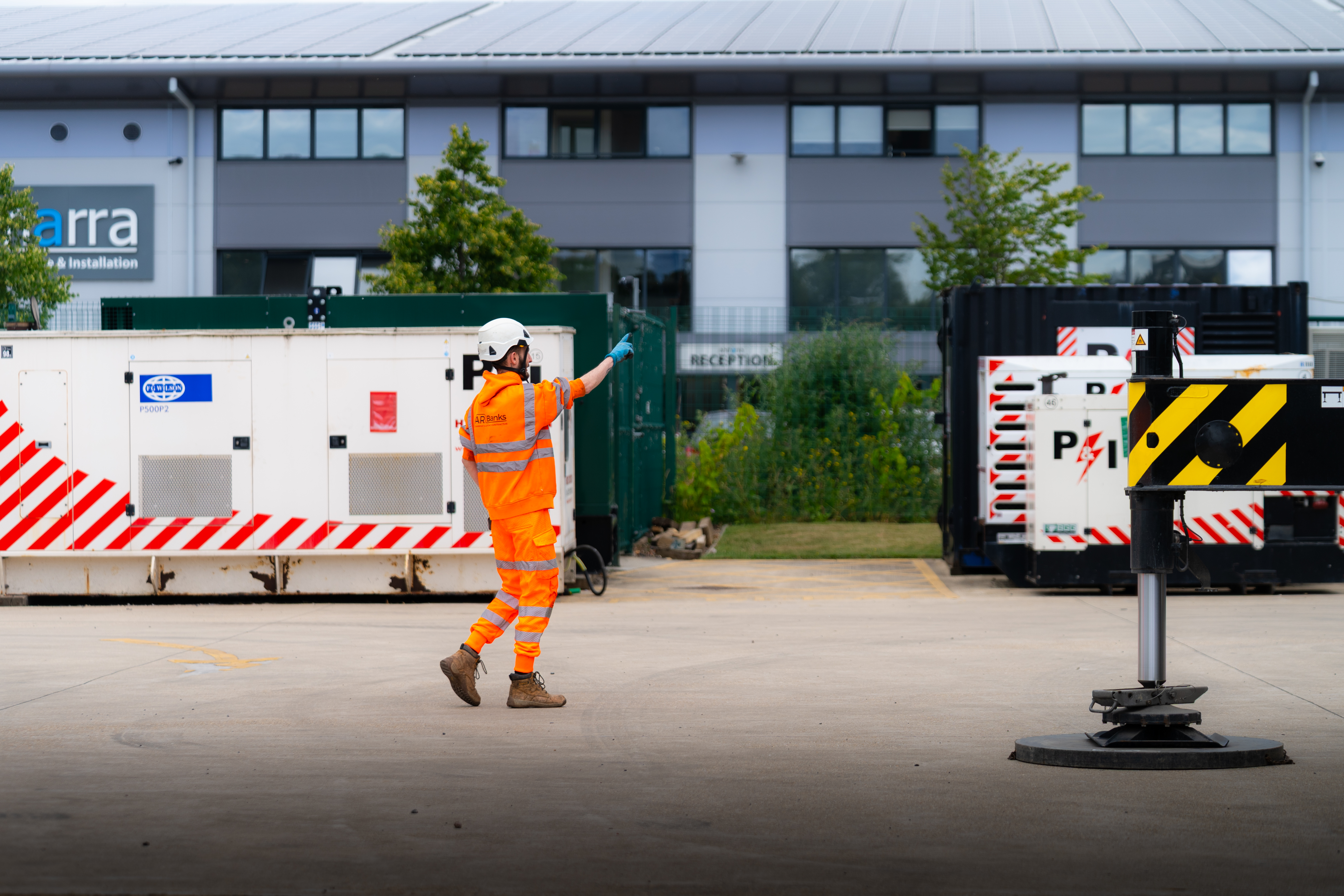
A planned electrical shutdown should be easier to manage than an emergency outage. The date is known, the load can be surveyed and a temporary generator can be positioned and tested in advance. Yet projects still run into avoidable problems when capacity is estimated late, connection details are unclear or access is not checked until the delivery vehicle arrives.
This checklist treats temporary power as a small engineered project. It does not replace the site-specific electrical design, risk assessment, switching schedule or competent authorised people.
Quick answer: what must be ready before a planned shutdown?
Confirm the essential load and restart sequence, generator duty and capacity, connection and earthing design, protection, cable route, physical location, delivery access, fuel, operating cover, test plan, communications and rollback. Every item should have an owner and acceptance point.
1. Define the shutdown scope
- work being completed and equipment being isolated
- planned start, duration and contingency window
- areas and services affected
- electrical person controlling the switching schedule
- project lead and decision authority
- criteria for proceeding, pausing or rolling back
Clarify whether the temporary supply is needed only during the main works, for testing and recommissioning, or for a longer contingency period if the normal installation cannot be returned.
2. Identify essential and non-essential loads
List the services that must remain available, those that need a controlled shutdown and those that can remain off. Include IT, security, fire or access interfaces, lighting, refrigeration, controls, pumps, communications, welfare and any production loads approved to run.
Record kW, kVA, voltage, phase, power factor and start behaviour where relevant. Nameplate ratings alone can overstate normal demand or miss motor inrush. Recent metering and a safe load survey improve the estimate.
3. Plan the restart sequence
A generator that can carry the steady load may still struggle if every motor, transformer, UPS charger and mechanical plant item reconnects at once. Set a staged sequence with delays and a named person or control system responsible for each step.
- life-safety and essential controls
- core network and communications
- selected mechanical plant
- process or production loads
- UPS battery recharge
- deferred comfort and non-essential services
4. Confirm generator capacity and duty
Select equipment for the expected load, transient steps, environment and running duration. Confirm voltage, frequency, phase, neutral arrangement, connection type, noise limits, emissions considerations and whether redundancy is required.
If the shutdown could overrun, verify that the generator is suitable for the extended duty and that service support is available.
5. Engineer the connection
Use an approved temporary connection point or a site-specific connection design. Confirm cable size and length, phase sequence, earthing, protection, discrimination, neutral treatment, switching and isolation. The arrangement must prevent unsafe backfeed.
A permanent external connection point can reduce shutdown-day work, but it still needs inspection, labels, protection and a controlled switching procedure.
6. Survey the cable route
- distance and voltage-drop implications
- vehicle, pedestrian and public crossings
- doors, fire routes and access points
- water, heat, sharp edges and mechanical damage
- ramps, covers, barriers and fixing points
- segregation from other services
- security and unauthorised access
The shortest electrical route is not always the safest operational route. Agree the actual path and protective measures during the survey.
7. Choose the generator location
The set needs firm level ground, ventilation, exhaust clearance, service access and suitable separation from people, buildings, air intakes and combustible material. Consider noise, neighbours, security, lifting or delivery hazards and the effect of forecast weather.
Never assume an indoor, basement or enclosed position is suitable without a specific engineered arrangement for exhaust, cooling, fuel and fire risk.
8. Confirm delivery and recovery access
- vehicle height, width, weight and turning circle
- gates, permits, security booking and escort
- ground bearing capacity and set-down area
- crane or forklift requirements
- out-of-hours contacts and key access
- space to remove the generator after normal power returns
9. Plan fuel and refuelling
Calculate autonomy from usable fuel and expected consumption at the planned load. Add a reserve and identify the reorder threshold. Survey tanker access, fill point, hose route and spill controls. Confirm who monitors fuel and who can authorise a delivery.
Where temporary tanks or extended operation are planned, confirm the applicable storage, environmental and fire controls for the specific arrangement.
10. Coordinate UPS and generator operation
If UPS systems are present, check their input acceptance, current load, battery condition, bypass arrangement and recharge demand. The UPS may bridge switching, but it should not be used as an excuse for an unplanned or unstable generator changeover.
11. Write the switching and test plan
The authorised electrical person should control the site switching schedule. Define the sequence for isolation, generator connection, energisation, load addition, monitoring, normal-supply restoration and disconnection. Include communications and hold points.
- pre-start inspection and documentation check
- electrical checks under the approved procedure
- generator warm-up and source validation
- controlled energisation and staged load
- voltage, frequency, current and load observations
- alarm, emergency-stop and communications checks as applicable
- pass, abort and rollback criteria
12. Test before the shutdown where possible
A pre-shutdown proving test can confirm fit, cable reach, rotation or phase sequence, controls and operating communications without the full pressure of the outage window. The test scope depends on what can be connected safely before the main works.
13. Staff the operating period
Decide whether the generator needs continuous attendance, scheduled checks or remote monitoring. Give operators clear limits: load, fuel, temperature, alarms, weather and when to call for help. Provide contact details for the electrical lead, generator supplier, fuel supplier and site incident owner.
14. Prepare for failure or overrun
- spare or replacement generator response
- critical spares and service attendance
- load-shedding stages
- safe shutdown of protected systems
- additional fuel and extended hire approval
- alternative connection or cable contingency
- decision point for rollback to the original supply
15. Close the project properly
After normal power is restored, confirm the installation is in its intended configuration, temporary earths and cables are removed under control, alarms are cleared, UPS systems are normal and temporary openings or barriers are made good.
Record generator hours, load, fuel, alarms, switching times and lessons. Update drawings, labels or the connection plan where the work exposed an error. A good close-out makes the next shutdown easier.
Frequently asked questions
Start while shutdown scope and dates can still change. Surveys, connection work, equipment allocation and approvals may require substantial lead time.
Use measured or verified essential load, kW/kVA limits, power factor, motor starting, load steps, environment, duty and a credible growth or contingency allowance.
Only through an engineered, protected and authorised connection and switching arrangement that prevents unsafe backfeed and matches the site's earthing design.
No. UPS runtime is finite and generator input may behave differently from mains. Coordinate UPS mode, load, batteries, bypass and recharge with the plan.
Where practicable, a proving test reduces uncertainty. Define what the test demonstrates and what will still need to be confirmed during the shutdown.
Base it on usable fuel, expected consumption at the planned load, shutdown duration, an overrun allowance and a risk-based reserve, with a deliverable refuelling plan.
It defines how the site returns to a safe previous state if the work or temporary supply cannot proceed, including decision authority and latest practical trigger.
Competent authorised people working to the site's approved electrical safety rules, switching schedule and communication protocol.
Make shutdown day the execution of a tested plan
Temporary power is most dependable when the equipment, connection, people and contingencies have all been prepared before the normal supply is removed.
Contact P&I Group to survey, specify and deliver temporary generator power for your planned shutdown.
Latest news
Temporary Power for Planned Shutdowns: A Site-Readiness Checklist
8 October 2026
A planned electrical shutdown should be easier to manage than an emergency outage. The date...
Read more...
What Signals Should a UPS or Generator Send to a BMS?
2 October 2026
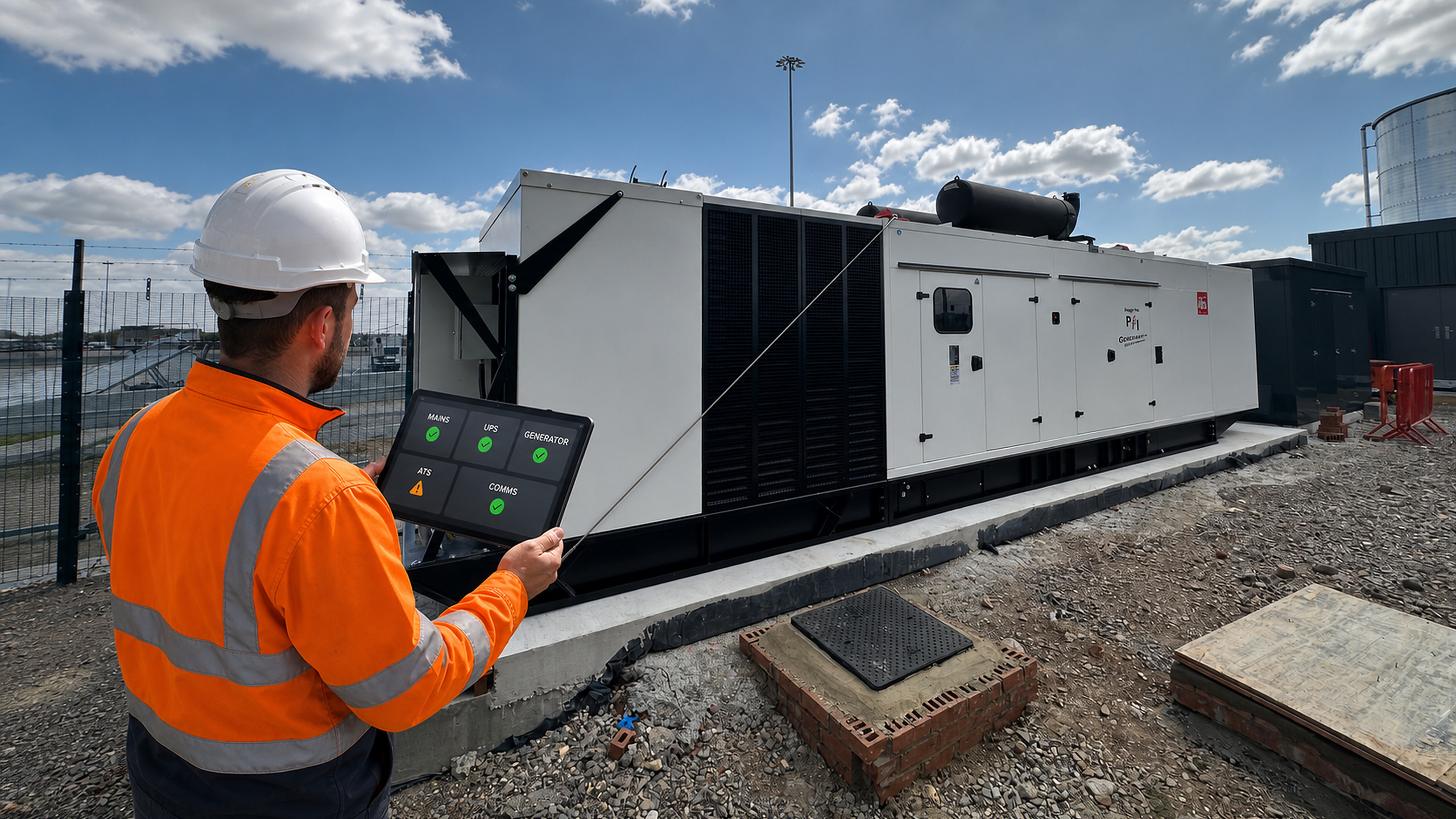
A BMS can show that a generator is running or that a UPS has a...
Read more...
Generator Fuel Autonomy: How Many Hours of Backup Power Does Your Site Need?

25 September 2026
'How many hours will the generator run?' sounds like a simple fuel-tank question. In practice,...
Read more...
How Often Should an Automatic Transfer Switch Be Tested?

18 September 2026
An automatic transfer switch may remain in one position for months, then be expected to...
Read more...
UPS Fan Fault: Causes, Risks and Safe Next Steps

11 September 2026
Fans remove heat from power electronics, filters, transformers and other UPS components. If a fan...
Read more...
View all