

Latest News
Generator installation is the most important process after you have selected your backup power solution

Generator installation is the most important process after you have selected your backup power solution. Making sure that your generator has been installed by experienced engineers is essential. The main elements to a proper generator installation are the positioning base and anchors, the fuel supply, and the electrical connections.
Let’s look into it in more detail.
How do you install a backup generator?
Installing a generator is a complex process and should only be carried out by experienced engineers. However, there are many things to consider when installing a generator.
First, the generator must be sized appropriately for your application and will typically require an exhaust system designed to safely direct the exhaust away from occupied areas.
Properly locating the fuel supply tank is important to ensure that enough fuel can be stored to run the generator efficiently. Other considerations include: ensuring a secure mounting position; installing automatic transfer switches; integrating a fuel filtration and conditioning system; installing an engine control module; checking the generator alignment and run-in procedures; remote monitoring.
Additional information to consider when installing a generator:
Concrete Plinth: The generator should be installed on a level concrete plinth that is large enough to accommodate the machine and any required maintenance access. The plinth should also be located as close as possible to the fuel source and away from any potential sources of water or flooding. Suitable protection to prevent or capture any potential leakage should be employed.
Base and Anchors: The generator should be mounted on a base that is firmly fixed to the concrete plinth, preferably with an anchor system. This helps keep the generator in place during operation and ensures it can handle vibrations from the engine.
Fuel Supply: Once the generator is in place, the fuel supply must be connected. It’s important to ensure that the fuel lines are properly sized, securely attached and meet standards.
Electrical Connections: The last step is connecting the generator to an electrical power source. This could involve use of existing cabling or running new depending on the requirement, consideration for correct earthing arrangements for the system and full electrical testing on completion are required to ensure its safe operation.
Once installed, it's important to maintain your generator in order to ensure that it runs optimally and safely. This includes visual checks and testing and replacing the oil, coolant and filters when needed.
How do you ensure a generator is installed correctly:
It is important to use a qualified and experienced generator installation team to ensure that your generator is installed correctly. Most reputable companies will project manage the operation and provide you with detailed documentation on the entire process, including the design layout and wiring diagrams in order to guarantee a successful installation.
In addition, they will make sure that all necessary functional and safety features are in place for your specific requirements.
Why you need to maintain your generator:
Regular maintenance and inspection of your generator is essential if you want your backup power solution to run efficiently and provide reliable service. The key aspects of maintaining your generator include: visual checks, checking the engine oil, coolant levels and fuel filters; inspecting the battery and ignition systems; and cleaning the air filter as needed. Periodic load bank testing may be required for standby generators to ensure they are working as required.
Inspecting the generator on a regular basis is also important to ensure that all parts are in good working condition. This includes testing all safety features and making sure that the generator is properly earthed.
Overall, proper installation and maintenance of your generator is essential if you want your backup power solution to provide reliable service. Utilising a qualified installation team and keeping up with regular inspections, servicing and maintenance will help ensure that your generator runs optimally and provides reliable service when you most need it.
Here at P&I, we understand the process of generator installation and maintenance can be daunting, but we are here to help. Our team of experienced engineers can advise you on the best-suited generator for your needs, ensuring that it is installed correctly and maintained properly. Contact us today to learn more about how we can help with your generator needs!
Latest news
What Happens During a Critical Power Site Survey?

16 October 2026
A reliable critical power system starts with understanding the site. Before recommending a generator, UPS,...
Read more...
Temporary Power for Planned Shutdowns: A Site-Readiness Checklist
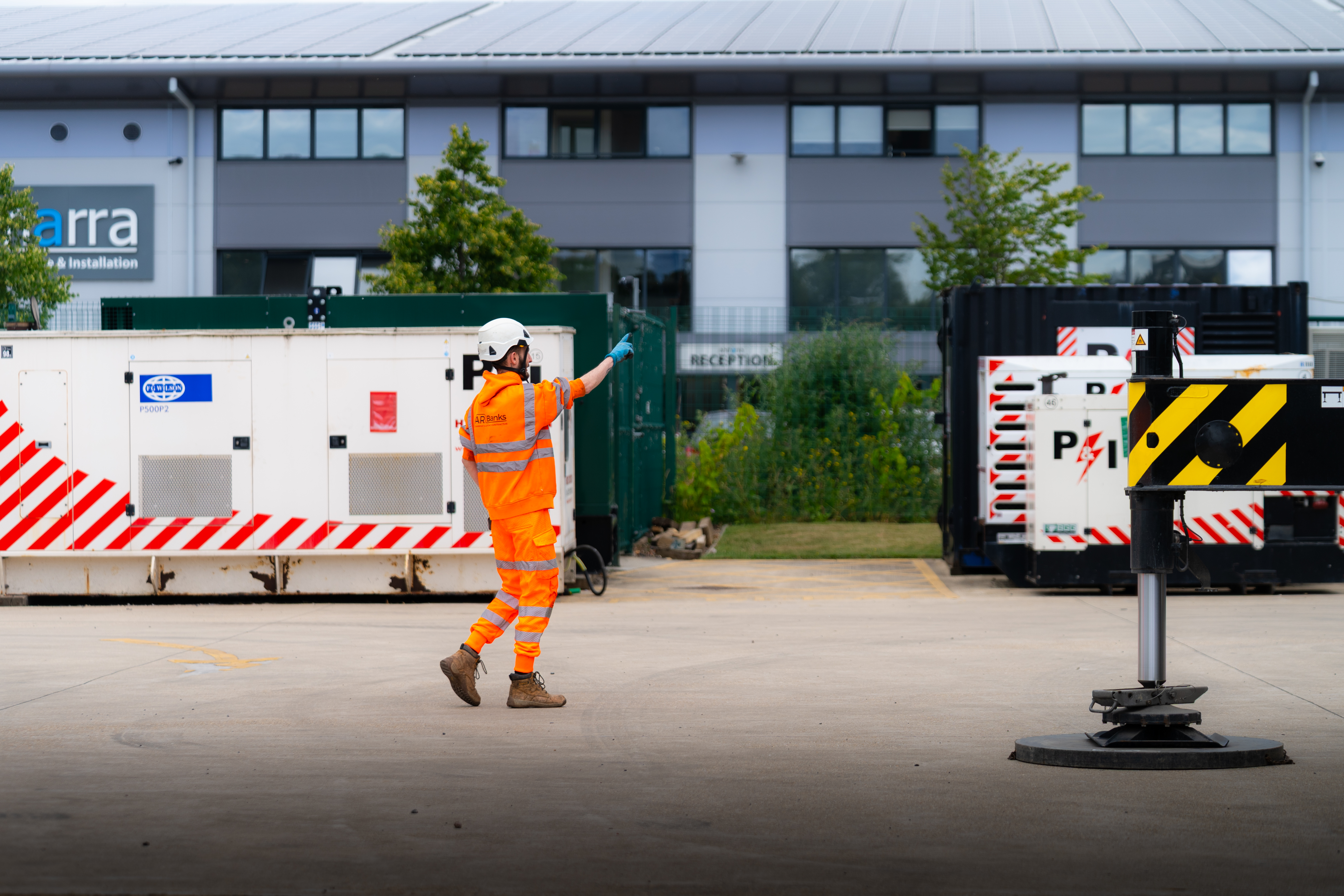
8 October 2026
A planned electrical shutdown should be easier to manage than an emergency outage. The date...
Read more...
What Signals Should a UPS or Generator Send to a BMS?
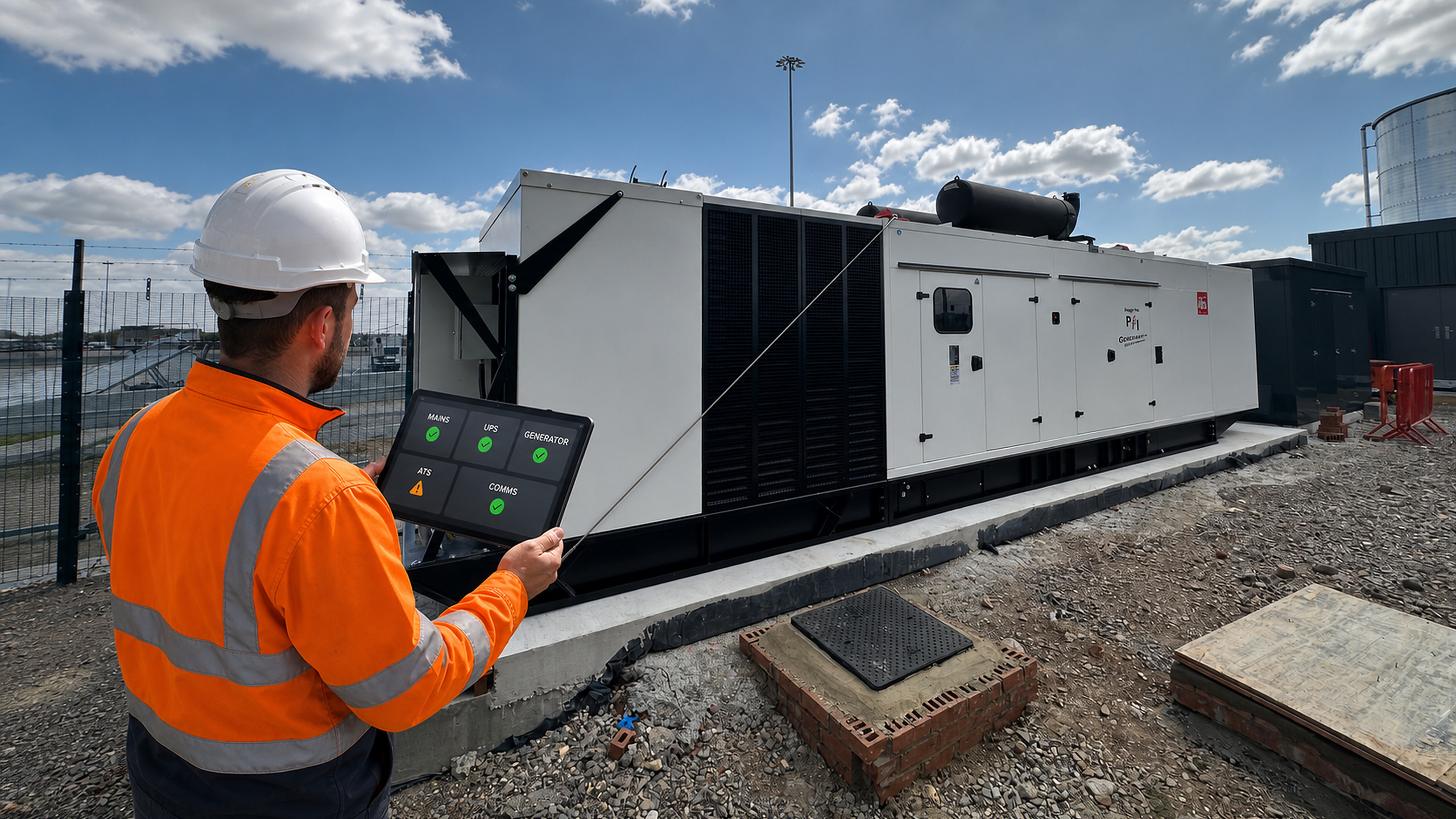
2 October 2026
A BMS can show that a generator is running or that a UPS has a...
Read more...
Generator Fuel Autonomy: How Many Hours of Backup Power Does Your Site Need?

25 September 2026
'How many hours will the generator run?' sounds like a simple fuel-tank question. In practice,...
Read more...
How Often Should an Automatic Transfer Switch Be Tested?

18 September 2026
An automatic transfer switch may remain in one position for months, then be expected to...
Read more...
View all