

Latest News
Understand generator noise levels, dB(A) ratings and acoustic enclosure requirements for UK sites, including ventilation, vibration control and maintenance.

Backup generators are essential for keeping sites operational during power outages, but they can also generate significant noise if not properly specified, installed, and maintained. Understanding how generator noise is measured – and how acoustic enclosures reduce it – is key to selecting a compliant, neighbour-friendly solution.
Whether a generator is installed close to residential properties, within a hospital estate, or on a commercial or industrial site, appropriate noise control helps minimise complaints, avoid operational disruption, and reduce the risk of breaching local authority noise limits.
This guide explains how generator noise is measured, how different acoustic solutions perform, and what should be considered when selecting an enclosure that meets both operational and regulatory requirements in the UK.
Fundamentals of Generator Noise Levels and Measurement
Generator noise originates from multiple mechanical components working together. Accurate measurement requires an understanding of both how sound behaves and which standards apply in different environments. The overall noise output of a generator depends on several design and operational factors.
How generator noise is produced
Generators create noise through several distinct mechanical processes. The engine combustion cycle produces the loudest sound, as fuel ignites and pistons move rapidly within the cylinders. Exhaust gases passing through the silencer system add a further layer of noise.
The alternator also generates sound as its components rotate at high speed. Cooling fans force air through the system, creating turbulent airflow that contributes additional noise. Vibrations from these moving parts are transferred through the generator frame and radiate outward as sound waves.
Smaller contributions come from components such as the fuel injection system, bearings, and drive belts. As these parts wear or become misaligned, noise levels typically increase beyond those of a well-maintained generator.
Sound level measurements and standards
Generator noise is measured using the decibel scale (dB). The most commonly referenced measurement is dB(A), which applies a frequency weighting to reflect how the human ear perceives sound.
Manufacturers test generators under controlled conditions to provide consistent and comparable data. Free-field measurements are taken in open areas without reflective surfaces and are typically recorded at a distance of seven metres, which is the standard reference point.
Noise levels increase by approximately 6 dB each time the distance to the source is halved. For example, a generator rated at 70 dB(A) at seven metres will measure around 76 dB(A) at 3.5 metres. This is an important consideration when assessing generator placement and compliance with local noise limits.
Key factors influencing noise output
Generator size has a direct impact on noise levels, with larger units generally producing more sound than smaller sets. A 20 kW portable generator may operate at around 65–75 dB(A), whereas large industrial generators above 500 kW can reach 85–95 dB(A) without acoustic treatment.
Engine speed is also significant. Generators operating at 3,000 rpm typically produce higher noise levels than 1,500 rpm machines. Load conditions matter as well; sound output varies between light load and full-load operation.
Design features that impact noise:
- Engine configuration (single cylinder versus multi-cylinder).
- Cooling system type (air-cooled versus liquid-cooled).
- Enclosure quality and acoustic insulation.
- Muffler design and exhaust routing.
The installation environment also affects perceived noise. Hard surfaces reflect and amplify sound, while softer materials help absorb it.
Acoustic enclosure requirements and noise reduction solutions
Effective noise control requires carefully selected acoustic materials, proper enclosure design, vibration isolation systems and ongoing maintenance to achieve sustained sound reduction.
Critical acoustic materials and sound-absorbing technologies
The foundation of any effective soundproof enclosure relies on multiple layers of specialised acoustic materials working together. Sound-attenuating enclosures typically use multi-layer walls that combine different materials to block and absorb sound waves.
Sound-blocking materials include:
- lead sheet for dense, heavy barriers
- perforated sheet metal for structural support with acoustic properties
- rubber sheeting for flexible noise barriers
- concrete blocks for permanent installations.
Sound-absorbing materials offer different methods of trapping sound energy:
- acoustical sound absorption panels mounted on interior walls
- acoustic insulation between wall layers
- foam materials that convert sound into minimal heat energy.
Your soundproof wall should combine both blocking and absorbing technologies. Dense materials like lead sheet stop sound transmission whilst sound-dampening foam prevents echoes inside the enclosure.
Acoustic barriers and acoustic screens provide additional protection in specific problem areas. These materials must be sealed with acoustic sealant to prevent sound leakage through gaps.

Design considerations for acoustic enclosures
Generator acoustic enclosures must balance noise reduction with essential airflow and maintenance access. Adequate ventilation is critical, but it must be designed to maintain acoustic performance.
Enclosure size affects both cooling efficiency and noise attenuation. Insufficient clearance around the generator can restrict airflow, increase internal temperatures, and negatively impact performance.
Control panels and electrical enclosures should be fully integrated into the overall design to avoid creating weak points in the acoustic barrier.
Vibration isolation and mechanical noise control
Vibration from your generator transfers through solid connections and creates structure-borne noise that acoustic materials alone cannot stop. Anti-vibration mounts between the generator and its mounting surface break this transmission path.
Effective vibration control requires:
- vibration mounts rated for your generator's weight and operating frequency
- flexible joints on all pipe connections to prevent vibration transfer
- isolation between the enclosure and mounting surface.
Rubber sheeting under the generator base provides additional noise dampening for lighter units. Heavier installations benefit from spring-loaded anti-vibration mounts that absorb low-frequency vibrations.
Your exhaust system needs flexible connections at the generator coupling point. Rigid exhaust pipes transmit vibration directly into building structures, creating noise far from the actual generator location.
Acoustic fencing around outdoor installations adds another layer of protection whilst allowing necessary clearances. This approach works well during load shedding scenarios or power outage situations where temporary noise control is needed.

Best practices in soundproofing and maintenance
Regular generator servicing maintains both performance and noise levels. Worn components increase vibration and sound output, reducing the effectiveness of your acoustic enclosure.
Maintenance requirements include:
- inspecting acoustic sealant for cracks or gaps every six months
- checking anti-vibration mounts for compression or damage
- cleaning acoustic vents to prevent airflow restriction.
Your soundproof generator box loses effectiveness when access panels don't seal properly. Check all door seals and replace damaged acoustic rubber underlay immediately.
Generator repairs should never compromise acoustic features. Replacement parts must meet the same specifications as original components to maintain noise reduction levels.
Monitor your enclosure's internal temperature during operation. Blocked vents or failing cooling systems force you to open access panels, which eliminates noise control benefits. A pump control box and related electronics need separate ventilation planning to avoid heat buildup that affects reliability.
Frequently asked questions
The engine design plays the largest role in how much noise your generator produces. Larger engines with more cylinders typically create more sound due to increased combustion events and mechanical movement.
Your generator's operating load also affects noise levels. When you run a generator at higher loads, it works harder and produces more sound. The cooling system, including fans and air intake, adds significant noise as air moves through the unit. Exhaust systems can also contribute substantial noise if not properly muffled. The alternator and other rotating components create mechanical noise through vibration and friction
Acoustic enclosures use multiple-layer walls with sound-absorbing materials such as foam, insulation and barriers. Mass-loaded vinyl provides noise blocking whilst remaining flexible and relatively lightweight.
Acoustic foam absorbs sound waves and prevents them from reflecting inside the enclosure. Fibreglass insulation offers both thermal and acoustic benefits when properly installed between wall layers.
You need a calibrated sound level metre that measures in A-weighted decibels (dBA). This weighting scale matches how human ears perceive sound across different frequencies.
Take measurements at your property boundary, not directly beside the generator. Position the metre at ear height. You should measure at multiple points around the perimeter to identify the loudest areas.
Record readings during different operating loads, as noise varies with power output. Take measurements when background noise is minimal to get accurate generator-specific readings. Most regulations require you to subtract background noise levels from your total reading.
Ventilation remains essential because generators produce significant heat during operation. Your enclosure must allow sufficient airflow to prevent overheating whilst maintaining noise reduction. Proper ventilation design balances cooling requirements with acoustic performance.
Access for maintenance needs careful planning. You need adequate space for servicing, oil changes and component replacement without dismantling the entire enclosure.
The enclosure must not create exhaust back pressure that reduces generator efficiency. Vibration isolation prevents the generator from transmitting noise through the enclosure structure to the ground. You should mount the unit on spring isolators or rubber pads.
Weather protection ensures your enclosure withstands rain, wind and temperature extremes. Fire safety codes may require specific materials and clearances around hot components like exhaust systems.
Latest news
What Happens During a Critical Power Site Survey?

16 October 2026
A reliable critical power system starts with understanding the site. Before recommending a generator, UPS,...
Read more...
Temporary Power for Planned Shutdowns: A Site-Readiness Checklist
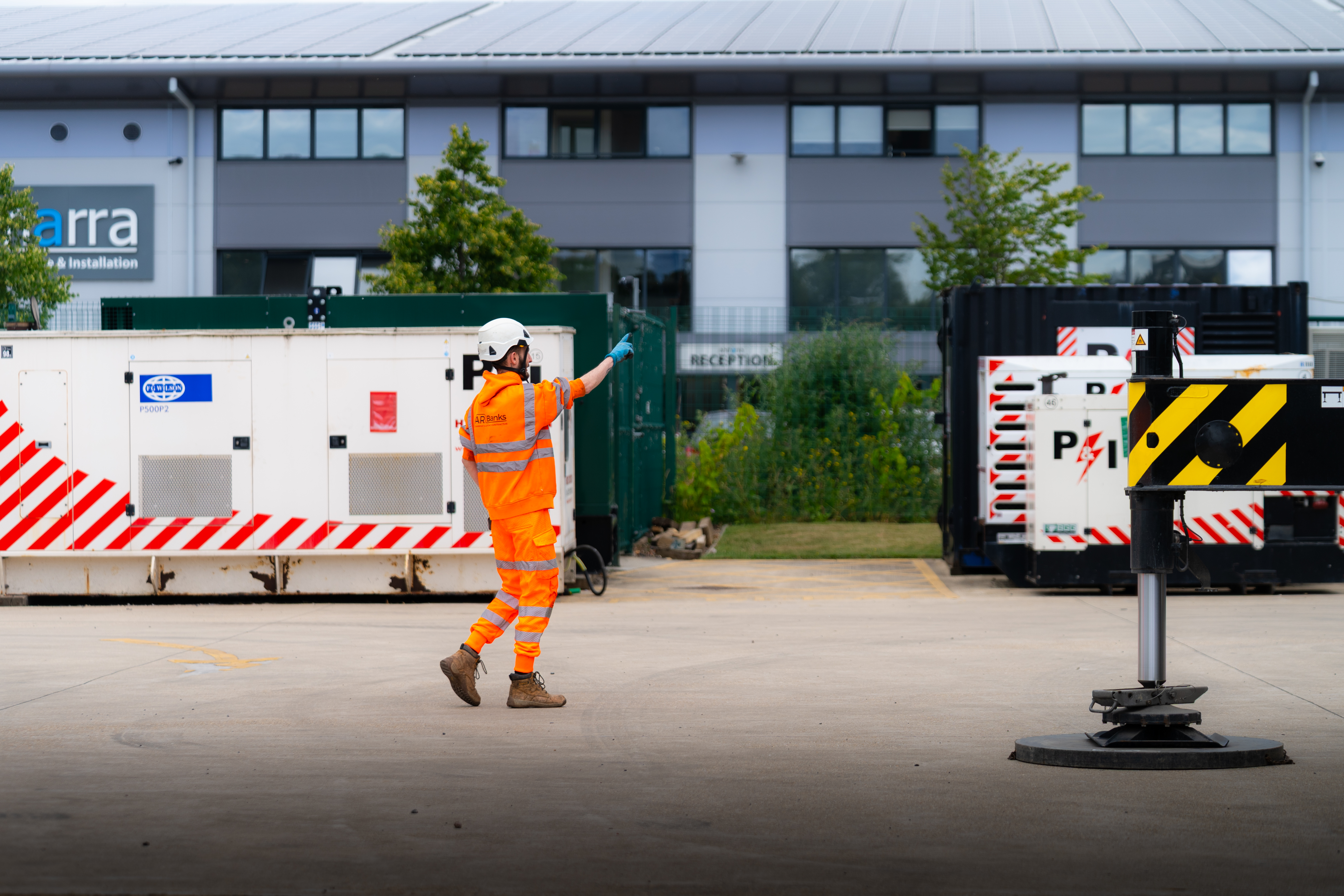
8 October 2026
A planned electrical shutdown should be easier to manage than an emergency outage. The date...
Read more...
What Signals Should a UPS or Generator Send to a BMS?
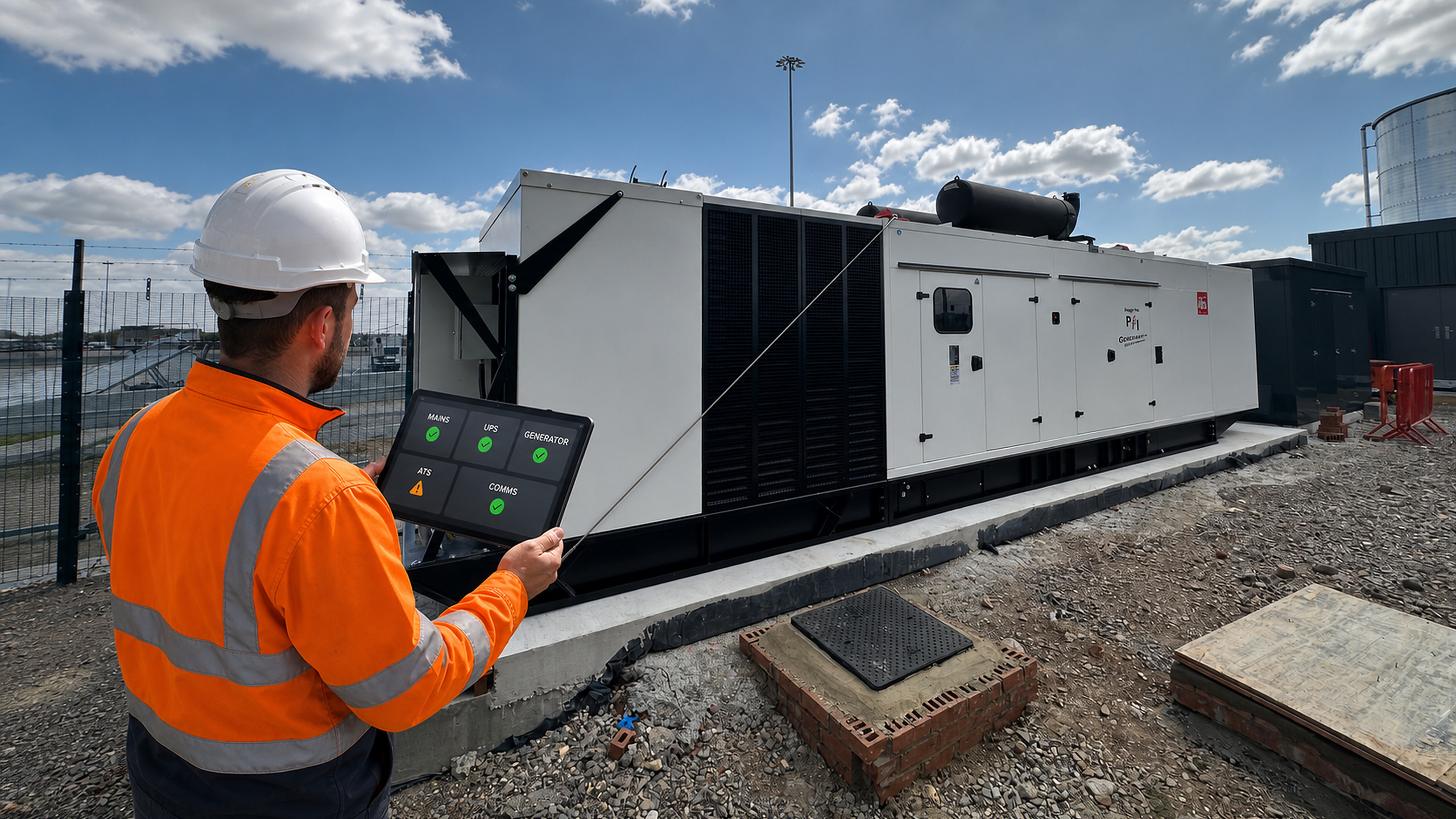
2 October 2026
A BMS can show that a generator is running or that a UPS has a...
Read more...
Generator Fuel Autonomy: How Many Hours of Backup Power Does Your Site Need?

25 September 2026
'How many hours will the generator run?' sounds like a simple fuel-tank question. In practice,...
Read more...
How Often Should an Automatic Transfer Switch Be Tested?

18 September 2026
An automatic transfer switch may remain in one position for months, then be expected to...
Read more...
View all