

Latest News
See how generator remote monitoring tracks fuel, battery status and faults in real time, helping businesses reduce downtime and plan maintenance.

When the power goes out, you need your backup generator to perform. But if it fails without warning, you are left scrambling to restore power while customers, employees and critical systems wait.
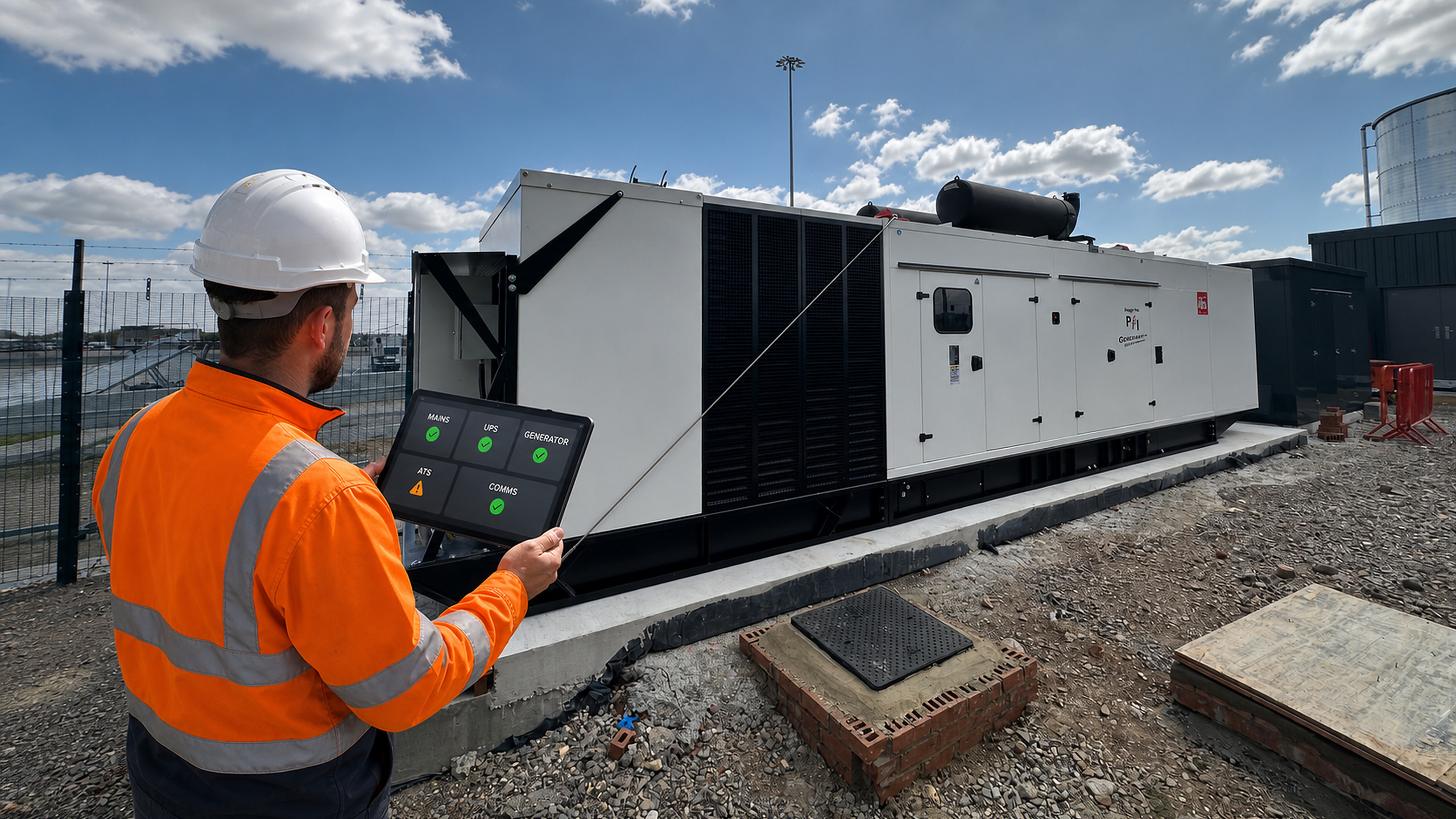
Generator remote monitoring is a system that uses sensors and internet connectivity to track your generator's performance in real time from anywhere, sending alerts about potential problems before they cause failures.
Instead of waiting for scheduled maintenance visits or discovering issues only when the power goes out, remote monitoring gives you real-time visibility into fuel levels, battery status, engine performance and fault conditions.
Understanding how this technology works and why it matters for your business can help you avoid costly downtime and extend the life of your equipment. From reducing maintenance costs to preventing unexpected failures, we will take you through how remote monitoring can transform your backup power system maintenance.
Understanding generator remote monitoring
Remote generator monitoring uses sensors and cloud-based platforms to track your generator's performance, fuel levels and operational status from any location. The system connects through communication modules that transmit real-time data about your power generator's health and readiness.
How remote generator monitoring works
Remote generator monitoring systems operate through a network of IoT-enabled sensors that collect data from various points on your equipment. These sensors can track metrics such as oil pressure, coolant temperature, battery voltage and fuel consumption. The data travels through communication modules to send information to cloud-based platforms.
Remote monitoring systems can remain powered independently of the generator itself. This means you can receive alerts even if your generator stops running unexpectedly.
You can usually access the data through web dashboards or mobile apps. The platform displays your generator power status and may allow engine tests or system checks to be viewed remotely. Ultimately, with remote generator monitoring, you do not always need to visit your site to check whether your backup power is ready.
Key components of generator monitoring systems
A typical generator monitoring system includes several essential parts working together:
- Generator controller: this acts as the central hub that manages generator operations and collects performance data from the engine and control systems.
- Sensors and monitoring devices: these can track temperature, pressure, voltage, fuel levels and runtime hours across different parts of the generator.
- Communication modules: these devices transmit data from the generator controller to remote servers or monitoring platforms.
- Generator monitoring data logger: this component stores historical performance data, helping you analyse trends and identify potential issues before they become failures.
The sensor hub consolidates information from individual monitoring devices and prepares it for transmission. A remote monitoring system continuously tracks generator usage patterns, which can help teams plan generator servicing, load bank testing and inspection schedules more effectively.
Types of generators and compatible technologies
Remote monitoring can work with both standby generators and portable generators, though installation complexity varies. Stationary generators at fixed locations can have permanent monitoring installations with hardwired sensors and dedicated communication routes.
Diesel generator monitoring can include sensors for tracking fuel condition, exhaust temperature, fuel usage and operating hours. Petrol generators require different monitoring considerations, including spark ignition systems and fuel usage patterns.
Standby generators can benefit significantly from remote monitoring because they must be ready to activate quickly during a mains failure. Monitoring can help verify generator status, transfer switch activity and backup power readiness. For more on automatic changeover equipment, see our guide to automatic transfer switches.
Why your business needs generator remote monitoring
Remote monitoring transforms how businesses manage standby power by delivering real-time insight and helping prevent avoidable power failures before they occur. This technology supports business continuity through continuous monitoring, preventative maintenance and better integration with existing power supply systems.
Enhancing business continuity and power reliability
Power outages can disrupt operations, especially if you manage critical environments such as data centres, healthcare estates, utilities sites, telecoms infrastructure or multi-site commercial facilities. Remote generator monitoring provides real-time visibility into your emergency power system's status, helping confirm whether your standby power is ready when the electrical grid fails.
You can receive automated alerts when fault events occur, whether that is a battery issue, low fuel level, coolant temperature warning or another fault condition. These proactive alerts mean you are less likely to be caught off guard during a power failure.
For facilities management teams, remote monitoring can be especially useful across multiple sites. Instead of relying solely on physical inspections, teams can view generator status, activity reports and event logs from a central platform. This supports wider emergency power planning and helps improve resilience.
Proactive maintenance and cost savings
Predictive maintenance helps reduce the risk of expensive failures by identifying mechanical or electrical problems earlier. A remote monitoring system can track battery health, fuel levels, coolant levels and operating conditions, helping identify issues such as battery charger faults or block heater problems before they become urgent callouts.
Real-time fuel monitoring can also support fuel planning and security. If fuel levels are dropping unexpectedly, this may indicate usage, leakage or potential fuel theft. When combined with services such as generator refuelling, fuel polishing and fluid testing, monitoring can form part of a more reliable fuel management strategy.
Remote monitoring can also help reduce unnecessary site visits. Instead of inspecting every generator on a fixed schedule regardless of condition, maintenance teams can use real-time data to prioritise the equipment that needs attention most. This does not replace planned servicing, but it can make maintenance more informed and responsive.
For organisations with critical equipment, this can support uptime, reduce emergency repair costs and extend equipment lifespan through timely intervention. For more background on the risks of poor maintenance, see our guide to the dangers of not maintaining critical UPS, generators and control systems.
Advanced features and integration options
Modern remote monitoring systems can use mobile networks, WiFi connectivity, cellular connectivity or other communication methods depending on the site. This flexibility is useful for remote locations, multi-site estates and facilities where permanent network infrastructure may be limited.
Cloud-based access through web software allows authorised users to monitor generators from different locations. IoT platforms can process data and send critical information to a central dashboard, helping teams respond to faults faster.
Integration with facilities management systems can create a more complete view of your electrical infrastructure. Generator monitoring data may sit alongside building management systems, security platforms, environmental controls, UPS systems and control equipment.
This is especially useful for businesses that depend on continuous power, such as retail, healthcare, manufacturing and critical infrastructure. For example, retail and hospitality sites may need visibility across multiple locations, while water and wastewater sites may need telemetry, generator status information and rapid fault awareness.
How remote monitoring supports backup power planning
Remote monitoring is most effective when it forms part of a wider backup power strategy. Monitoring can tell you whether a generator is ready, but it should sit alongside planned maintenance, fuel management, periodic testing, load bank testing and a clear response plan.
For businesses reviewing resilience, it is worth considering how remote monitoring connects with your business contingency plan. Alerts are useful, but the real value comes from knowing who receives them, how they are escalated and what action is taken when a fault appears.
If your generator is ageing, remote monitoring may also help highlight repeated faults, abnormal running patterns or early signs that a replacement review is needed. You may find our guide to repairing or replacing a commercial generator useful if reliability is becoming a concern.
When should you consider generator remote monitoring?
Generator remote monitoring is particularly useful if your site cannot afford unexpected downtime, your generator is located away from your main team, or you manage several sites. It is also worth considering if fuel levels, battery condition or fault warnings need closer oversight between scheduled maintenance visits.
You may benefit from remote monitoring if:
- you manage multiple sites or remote generator locations
- your generator protects critical services, production or safety systems
- you need earlier warnings of fuel, battery or engine issues
- you want better visibility between service visits
- you want maintenance decisions based on real equipment data
- you need a stronger audit trail of generator status and events
It can also be valuable for businesses using generator hire during planned works, emergency response or temporary power arrangements, particularly where fuel and operational status need to be closely managed.
Speak to P&I Group about generator monitoring and support
P&I Group supports organisations with generators, UPS systems, emergency power, servicing, maintenance, hire, fuel services and wider critical power support.
If you are reviewing generator remote monitoring, improving maintenance visibility or planning a more resilient backup power strategy, our team can help assess your site, existing equipment and support requirements.
Speak to P&I Group about generator remote monitoring and critical power support.
Frequently asked questions
Remote monitoring systems track performance metrics in real time and alert you to issues before they cause failures. These systems require internet connectivity and use sensors with cloud-based software to deliver data to your dashboard.
Remote monitoring provides real-time visibility into your generator's status from any location. You'll receive instant alerts when faults occur, which means you can address problems before they lead to complete system failures.
The technology continuously tracks your generator's operating conditions. This constant oversight helps you identify patterns that might indicate developing issues.
When you implement a remote monitoring system, you gain the ability to monitor and control your generator without being on site. Cloud-based platforms and mobile apps give you access to performance data wherever you are.
Your maintenance teams can troubleshoot issues remotely, which saves time and reduces the need for emergency site visits. You'll know about fuel levels, battery health and potential faults as they happen.
The technology helps you maintain better control over generator performance and reduces unexpected downtime. As a result, your business experiences fewer disruptions because problems are caught early.
You reduce the need for frequent physical inspections because sensors continuously collect data. This cuts down on labour costs and travel expenses for your maintenance staff.
Early detection of problems prevents small issues from becoming expensive repairs. You can schedule maintenance during convenient times rather than dealing with emergency breakdowns.
Your teams can also verify that testing was conducted properly through digital records. This reduces wasted effort and ensures maintenance activities are actually effective.
You can identify potential problems before equipment fails completely with remote monitoring systems. The system shows you when components are operating outside normal parameters.
Maintenance teams use the data to schedule maintenance based on actual equipment condition rather than fixed intervals. This approach prevents unnecessary maintenance whilst catching real issues early.
Historical records help you spot recurring problems or degradation over time. You make informed decisions about when to replace parts or upgrade systems.
Modern monitoring systems can be added to most existing generators through sensors and control modules. These devices connect to your generator's existing systems to collect data.
The systems require an internet connection for data transmission and remote access. The integration typically involves installing monitoring hardware and connecting it to secure cloud-based software. Your dashboard then displays all the information from your generator in one centralised location.
Latest news
What Signals Should a UPS or Generator Send to a BMS?
2 October 2026
A BMS can show that a generator is running or that a UPS has a...
Read more...
Generator Fuel Autonomy: How Many Hours of Backup Power Does Your Site Need?

25 September 2026
'How many hours will the generator run?' sounds like a simple fuel-tank question. In practice,...
Read more...
How Often Should an Automatic Transfer Switch Be Tested?

18 September 2026
An automatic transfer switch may remain in one position for months, then be expected to...
Read more...
UPS Fan Fault: Causes, Risks and Safe Next Steps

11 September 2026
Fans remove heat from power electronics, filters, transformers and other UPS components. If a fan...
Read more...
Backup Power for Wastewater Pumping Stations During Peak Wet Weather

1 September 2026
A power failure at a wastewater pumping station is difficult at any time. During prolonged...
Read more...
View all