

Latest News
Finding the right generator can be a complex process, but here at P&I we have pulled together a generator sizing and selection guide to help understanding

Finding the right generator can be a complex process, but here at P&I we have pulled together a generator sizing and selection guide to help understanding .
It is essential that the generator you purchase or even rent is fit for purpose. There is nothing worse than having something as important as a backup generator and not performing how you intend it to.
Understanding your needs and requirements is the first step to selecting the right generator. If you prefer to speak to a human about what you need, you can contact our sales team to help you select the right generator. Keep reading if you'd like to learn more about generator sizing and how to select the right one before you contact us.
Jargon buster - Generator metrics and more
Before we get into the details that come with selecting the right size generator, we know there are some jargony terms that are used. So here is a quick rundown of some of the jargon used when sizing generators.
- W or kW (kilowatts) – The unit of real (or true) power measurement (k is for kilo = multiplied by 1000)
- VA or kVA – the unit for apparent (or total) power (k is for kilo = multiplied by 1000)
- Power factor (Pf) - the ratio of the real power to apparent power, the lower the value the less efficient the power usage.
- Ah rating - The ampere-hour rating for a battery, this indicates the capacity of the battery i.e. how many amps per hour (normally over a 10-hour period) the battery can deliver.
- RPM - Rotations per minute.
- Load size – This refers to the total amount of electricity needed for your business.
- Generator size – This is the wattage capacity needed from a generator. It should be at least 10% larger than the maximum load size to ensure it can run the necessary components and should account for in rush currents for nonlinear loads.
- In rush current - a surge current which is the maximal instantaneous input current required to power a load when first turned on. Inductive loads such as pumps, motors, and transformers may draw several times their normal full-load current when first energised.
- Outdoor generators – Generators that are able to be placed outside in a secure location, usually in a canopy that is designed to weatherproof against the elements.
- Indoor generators – Generators that must be located inside as are on an open skid, often used as backup power for residences or businesses.
So that's the lowdown in brief terms. You can refer to this jargon list anytime you need to.
What different size generators do
Now that you understand some of the jargon, let’s delve into the details of generator sizing.
The size of a generator is often determined by its kW (kilo Watts) output. So it’s important to know how many kilo Watts your equipment requires to properly keep your business powered. This will be known as the load size, the kVA rating is the entire power required, as this takes into account the Pf and losses, this is the total amount of electricity needed for your load.
The generator size should be larger than your load size to ensure it can run the necessary components. Generators are supplied within a fixed range of sizes and selection would typically be the next size of generator available in the size range. To be on the safe side and future-proof your backup power it is typical to actually consider a 20-30% margin above the required power.
The importance of choosing the right size generator
The size of the generator you choose is critical to ensure it can successfully run your equipment when you need them most. The load size for a generator should be a larger than the maximum load size while allowing for any potential in rush current as this will allow for more flexibility when running multiple items at once.
This means you need to ensure that you accurately calculate the load size. If you run your generator at maximum capacity for more than short periods of time it can have devastating effects on your generator's life span.
Not only will calculating the load size correctly ensure the lifespan of your generator it will also help future-proof your power needs in the most efficient way. Leaving the safe margin of 20-30% will allow for this.
Calculating the load size for your generator
The first step when calculating the load size is to check what items you intend on running from it and how often. Also, consider if they all need to be run at once or if can they be staggered. This will give you an idea of what size of generator you need.
You can calculate the load size by looking at the Wattage of each item you need to have backup power for. That figure will tell you the minimum load size you need your generator to achieve.
Each generator will have the Wattage information displayed on the rating plate or can be found in the manufacturers data sheets. If you can't determine the exact wattage you can always ask our team to help.
Convert kW to kVA (kilovolt-amps) as this is the true power unit your generator needs to meet. To convert from kVA to kW, you must first assess the electrical system's efficiency. Electrical efficacy is expressed as a power factor rating between 0 and 1- the higher this number is, the more successful your conversion of kVA into useful kW will be.
Globally accepted generator ratings are typically set at 0.8pf (power factor). Power factor plays an essential role in matching up your load size with that of a generator; for example, if you have 100kVA-rated equipment but require 100kW actual wattage, then opting for a generator with only 0.8pf may not suffice!

Define your actual requirements
What do you need to keep your business running? Define the purpose of the generator beyond backup power and you will be able to select one which is fit for the purpose. Go further and create a business power plan with a load profile which can help you future-proof your backup power solutions. Having a detailed emergency power plan will help you in the long run as you prepare for business growth and higher energy demand.
Where will you store your generator?
When deciding on a generator there is something else to consider, where you will install it. Consider the various options, conditions and regulations as this will ultimately help you narrow down the exact type of generator you need. For example:
Outdoor generators
Outdoor generators are a great option for those who have an area suitable for the generator to be sited. These generators can run as long as necessary when the mains power fails.
It is essential that outdoor generators have the proper protection and ventilation to ensure they are safe for those within the vicinity. In residential areas, a super silent variant may be necessary.
Indoor generators
Indoor generators require careful consideration for ventilation as well as exhaust and heat extraction, if they overheat and fumes leak into the main building it could breach regulations and may cause health and safety issues.
What about UPS?
UPS (uninterruptible power supply) is different from generators as they are designed to run continuously and provide instant backup power when needed.
A UPS is a great backup power supply for businesses and can be used with a backup generator to give a very resilient backup system that can run long-term with no interruption. The Ah of the battery for the UPS is used to identify the battery size (capacity) and is used to calculate the autonomy, how long the UPS can run on the battery.
Petrol generator vs Diesel generator?
There are many debates on which fuel is best for a generator. Petrol generators can be a cheaper purchase but for long periods of use will have a higher fuel consumption. Petrol as a fuel can deteriorate, so you would need to consider using a fuel stabiliser to ensure you get the most out of your fuel purchase.
Petrol generators run at 3000rmp, which makes them light and compact. These are perfect as small portable generators.
Diesel generators have a higher cost associated with them, however, they perform better for longer periods of use. Due to the nature of diesel, the fuel lasts longer so when it comes to fuel consumption this is where they shine. Diesel generators can be louder than petrol generators, this is due to the rpm, (3000rpm or 1500rpm).
Diesel generators are the best suited for business backup power, they are typically better suited for a more permanent backup power solution. You can reduce the noise a diesel generator makes by installing soundproofing solutions. Make sure that this doesn't interfere with ventilation and other safety measures.
Choosing correctly
Choosing the right size generator is essential for futureproofing the protection of your critical electric loads and ensuring you have reliable backup power when it is needed. All the factors such as load size, storage space, fuel, installation factors, environmental issues, and generator types need to be considered before making a purchase. With this knowledge in hand, it will help you to make the right choice.
In order to choose the right generator you should always seek expert knowledge from professionals but this guide will give you some of the necessary information to make sure you get the right size generator. Good luck with your selection and as always, if you need any help feel free to contact us.
Latest news
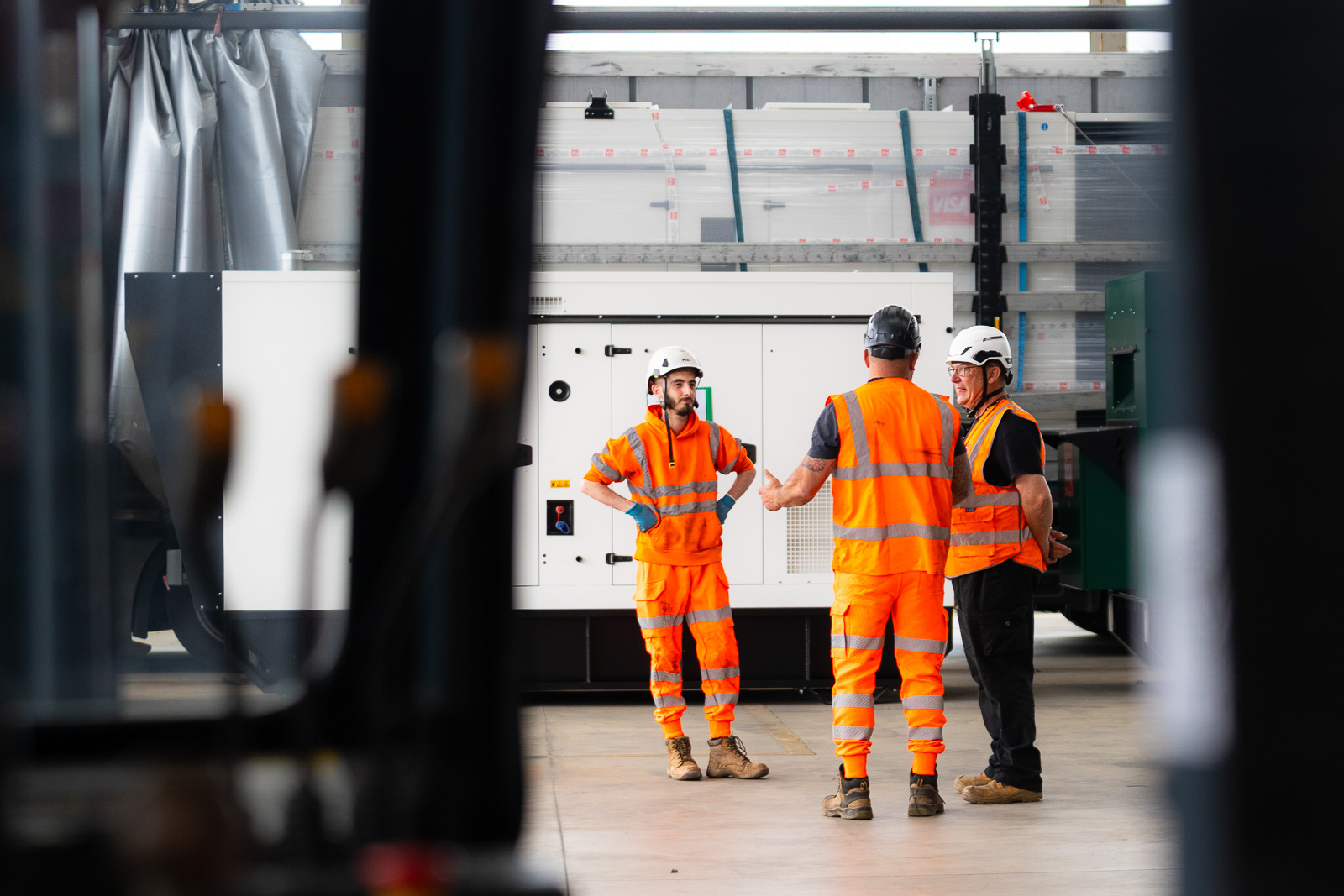
What Happens During a Critical Power Site Survey?
16 October 2026
A reliable critical power system starts with understanding the site. Before recommending a generator, UPS,...
Read more...
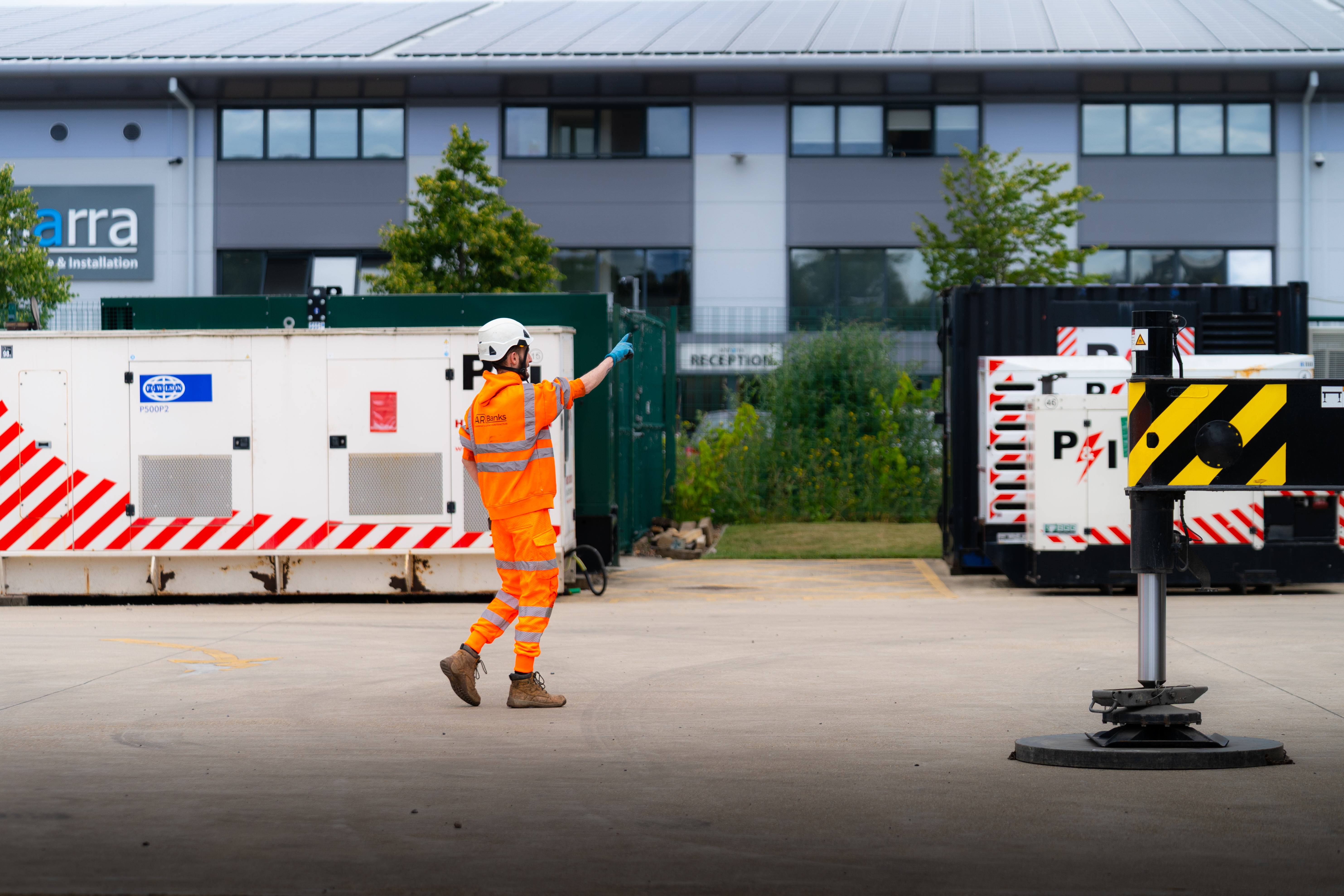
Temporary Power for Planned Shutdowns: A Site-Readiness Checklist
8 October 2026
A planned electrical shutdown should be easier to manage than an emergency outage. The date...
Read more...
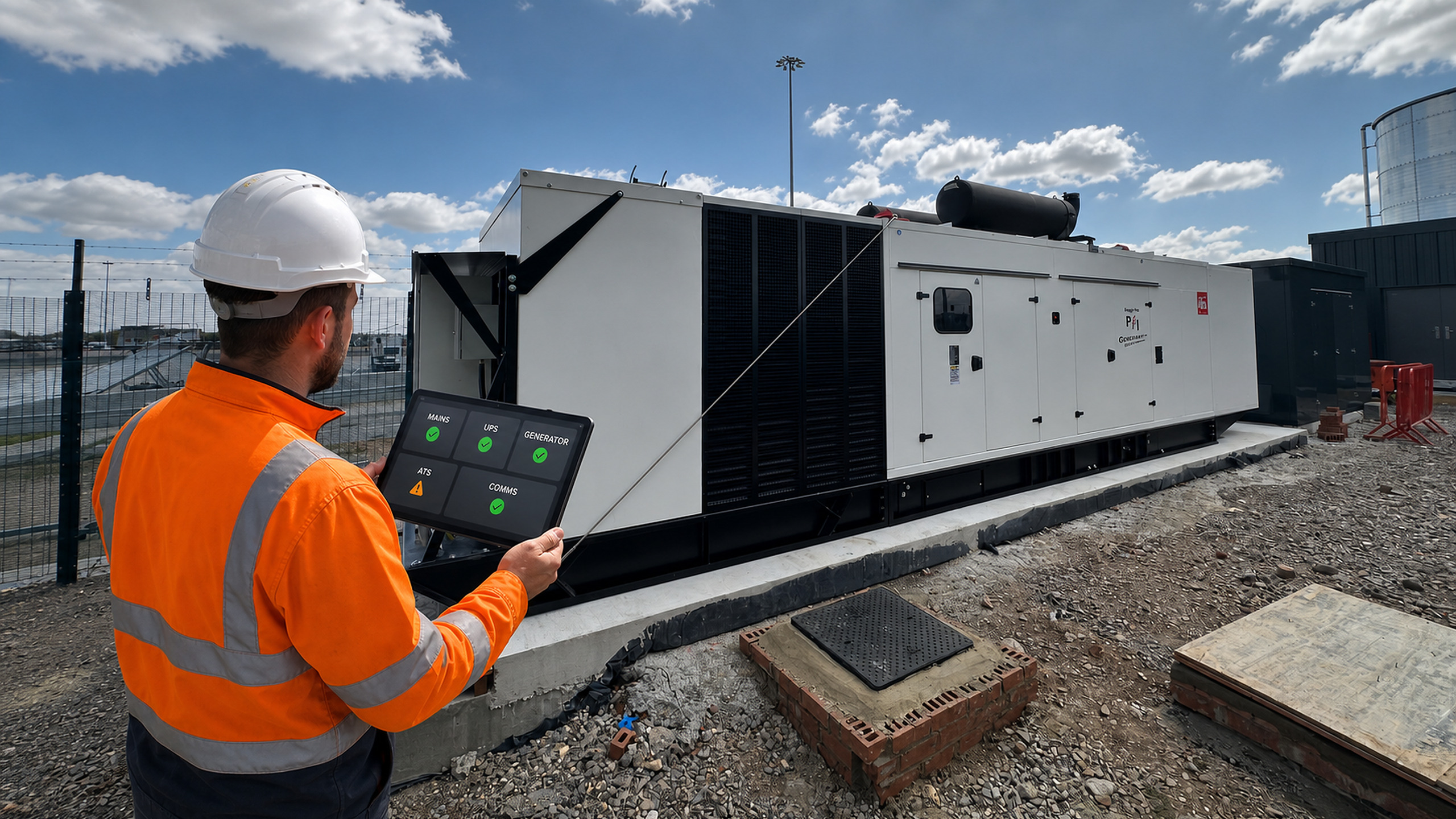
What Signals Should a UPS or Generator Send to a BMS?
2 October 2026
A BMS can show that a generator is running or that a UPS has a...
Read more...
Generator Fuel Autonomy: How Many Hours of Backup Power Does Your Site Need?

25 September 2026
'How many hours will the generator run?' sounds like a simple fuel-tank question. In practice,...
Read more...
How Often Should an Automatic Transfer Switch Be Tested?

18 September 2026
An automatic transfer switch may remain in one position for months, then be expected to...
Read more...
View all