

Latest News
Industrial Power Generation, the Future of Industrial Power Supply - Explore the future of industrial power supply. Find out more at P&I Generators.

What is Industrial Power Generation?
Unleashing Industrial Power - Industrial power generation refers to the process of producing electrical energy on a large scale, primarily for industrial and commercial applications. This involves harnessing various energy sources and converting them into electricity using power plants and generators. The electricity generated is then distributed to power factories, businesses, and essential infrastructure.
Powering the World
Industrial power generation is the lifeblood of modern society. It enables industries to operate efficiently, supports infrastructure development, and fuels technological advancements. Without it, our world would grind to a halt.
What is the Power Generation Industry?
The Power Behind the Switch - The power generation industry encompasses a vast network of organisations, facilities, and technologies dedicated to producing electricity. It's a multifaceted sector that includes power plant operators, renewable energy providers, utilities, and equipment manufacturers. The power generation industry plays a pivotal role in ensuring a consistent and reliable supply of electricity to meet the demands of our energy-hungry world.
Driving Progress
Innovations in the power generation industry have shaped the modern world. From the steam engines of the Industrial Revolution to the renewable energy technologies of today, this industry has driven progress and transformed the way we live, work, and communicate.
What are the Advantages of Hydroelectric Power Generation?
The Power of Flowing Water
Hydroelectric power generation harnesses the kinetic energy of flowing water to produce electricity. It offers several advantages:
Renewable Energy: Hydroelectric power is a renewable energy source, relying on the natural water cycle, making it a sustainable choice.
Low Operating Costs: Once the infrastructure is in place, hydroelectric power generation has relatively low operating and maintenance costs.
Energy Storage: Hydroelectric dams can serve as energy storage facilities, releasing water when electricity demand is high and storing it when demand is low.
Low Emissions: Hydroelectric power produces minimal greenhouse gas emissions, making it an environmentally friendly option.
Reliability: It provides consistent and reliable power, reducing the risk of outages.
How Many Types of Power Generation Are There?
A Diverse Energy Portfolio
The power generation industry boasts a diverse range of technologies and energy sources.
Here are some of the key types of power generation:
Fossil Fuels: This includes coal, natural gas, and oil-based power generation. It has been a dominant energy source but faces challenges due to environmental concerns.
Nuclear Power: Nuclear reactors use controlled nuclear reactions to generate heat and produce steam, which drives turbines to generate electricity.
Renewable Energy: This category includes solar, wind, geothermal, and biomass power generation. These sources rely on naturally replenishing resources and have gained prominence due to their environmental benefits.
Hydroelectric Power: As mentioned earlier, it harnesses the energy of flowing water.
Tidal and Wave Power: These emerging technologies use the kinetic energy of ocean tides and waves to generate electricity.
Cogeneration (Combined Heat and Power): Cogeneration systems produce both electricity and useful heat from the same energy source, increasing efficiency.
Hybrid Systems: Combining multiple sources like solar and wind to ensure a consistent power supply.
What is the Future of Industrial Power Supply?
A Glimpse into the Future
The future of industrial power supply is characterised by innovation, sustainability, and adaptability. Here are some key trends and possibilities:
- Renewable Energy Dominance: As concerns about climate change intensify, renewable energy sources like solar and wind will play a more significant role in industrial power generation.
- Energy Storage Solutions: Advancements in energy storage technologies will enable better integration of intermittent renewables and improve grid stability.
- Decentralisation: Smaller-scale, distributed power generation systems will become more prevalent, reducing the reliance on centralised power plants.
- Smart Grids: Grids equipped with advanced sensors and controls will enhance efficiency, reliability, and resilience.
- Electrification: Industries will increasingly electrify their processes, driven by the pursuit of lower emissions and energy efficiency.
- Hydrogen Economy: Hydrogen may become a prominent energy carrier for various industrial applications, including transportation and power generation.
- Carbon Capture and Utilisation: Technologies to capture and use carbon emissions from power plants will gain traction to combat climate change.
- Grid Resilience: Strategies to enhance grid resilience against natural disasters and cyber threats will be a top priority.
In conclusion, industrial power generation is the heartbeat of our modern world, and the power generation industry is at the forefront of shaping the future of energy. With innovations in renewable energy, advancements in energy storage, and the ongoing pursuit of sustainability, the industrial power supply of tomorrow holds great promise.
P&I Generators: Shaping the Future of Industrial Power Generation
P&I Generators is here to lead the way, we are committed to playing a pivotal role in shaping the future of critical power. With our modern generator technologies, we are ready to meet the evolving needs of industries worldwide.
You can count on us to be your trusted partner in ensuring a reliable critical power supply for your industrial operations. Contact P&I generators today.
Latest news
What Happens During a Critical Power Site Survey?

16 October 2026
A reliable critical power system starts with understanding the site. Before recommending a generator, UPS,...
Read more...
Temporary Power for Planned Shutdowns: A Site-Readiness Checklist

8 October 2026
A planned electrical shutdown should be easier to manage than an emergency outage. The date...
Read more...
What Signals Should a UPS or Generator Send to a BMS?
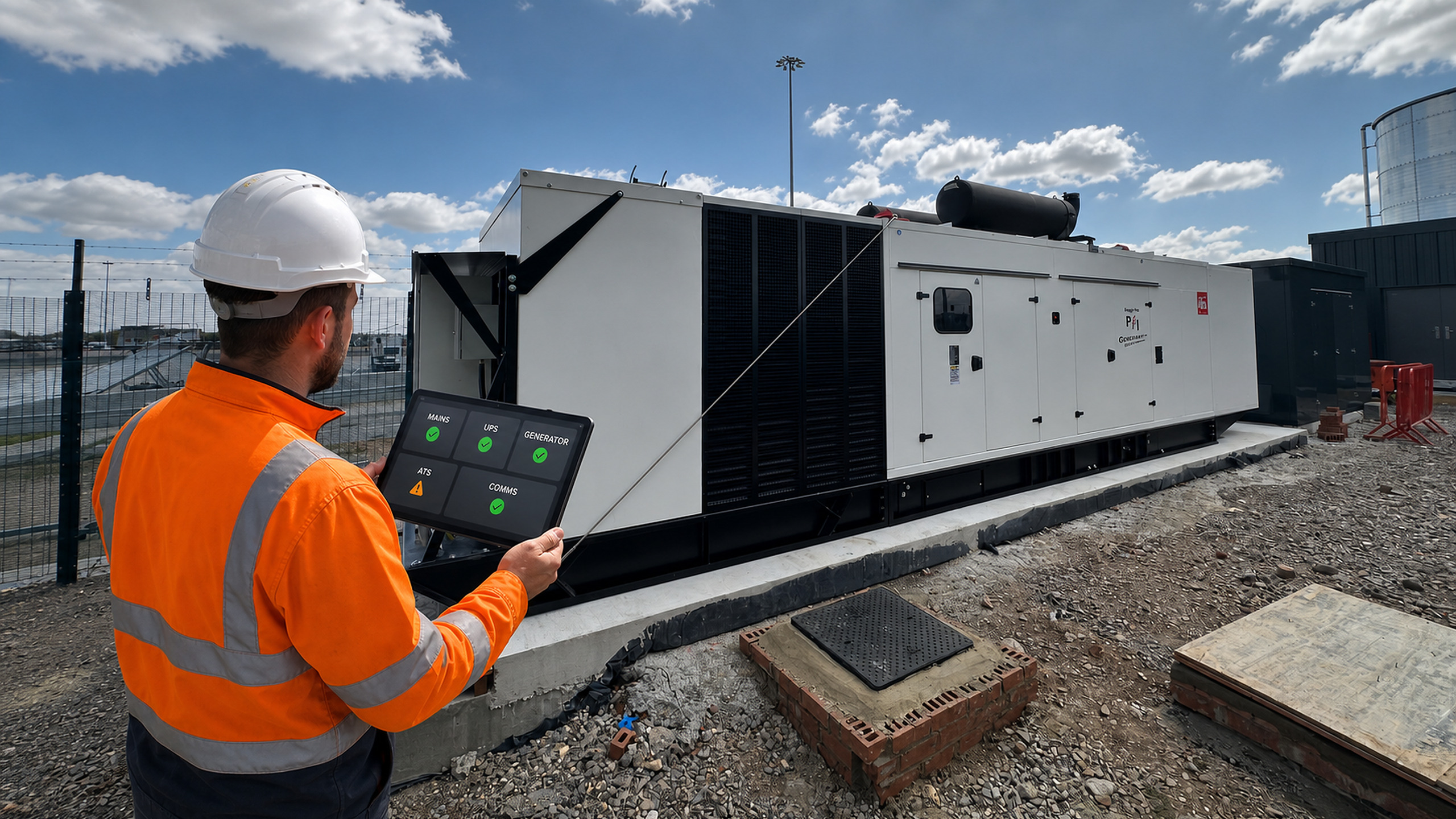
2 October 2026
A BMS can show that a generator is running or that a UPS has a...
Read more...
Generator Fuel Autonomy: How Many Hours of Backup Power Does Your Site Need?

25 September 2026
'How many hours will the generator run?' sounds like a simple fuel-tank question. In practice,...
Read more...
How Often Should an Automatic Transfer Switch Be Tested?

18 September 2026
An automatic transfer switch may remain in one position for months, then be expected to...
Read more...
View all