

Latest News
If you have a clear plan for a blackout, your business can continue operating with little to no disruption. Get actionable tips for preparation with P & I Group.

Power cuts can be one of the most disruptive events to your business if you're not prepared for them. If you have a clear plan, the right equipment and trained staff, your business can continue operating during a blackout with little to no disruption. Without preparation, even a short outage can halt critical processes and cause avoidable losses.
You need to know where your business is most vulnerable and how to protect those areas. That means understanding the risks, from extreme weather to grid failures, and putting practical measures in place. Backup power, typically through a mix of UPS (for instant continuity) and generators (for extended resilience), is essential for keeping all business running.
By assessing your current readiness and implementing proven strategies, you can reduce downtime and protect your operations. This guide will walk you through identifying risks, building resilience and applying solutions that work in real-world situations.
Assessing blackout risks and business vulnerabilities
Blackouts in the UK can result from faults in the electricity grid, severe weather or planned load management. Understanding the causes and knowing which parts of your operations are most at risk helps you take targeted action to minimise disruption and protect essential services.
Understanding power cuts and outages
A power cut can occur due to system faults, infrastructure failure or planned outages by your electricity distribution network operator (DNO). These events can be local, affecting a few streets, or widespread, impacting large areas of the UK.
Power is delivered via transmission (National Grid) and local distribution (DNOs). Disruptions can occur at either stage, and even a momentary flicker may disrupt IT or telecoms systems. This is a key reason why UPS systems are so valuable.
Common causes of power cuts in the UK include:
| Cause | Example | Impact |
| Weather damage | Storms damaging electricity power lines. | Localised power loss. |
| Equipment failure | Fault in a substation transformer. | Area-wide outage. |
| Load management | Controlled disconnections to stabilise the grid.. | Scheduled, time-limited outages. |
Knowing the likely cause can help you decide on the right backup measures.
Identifying critical business operations
During a blackout, not all systems will need equal priority. You should identify the operations that must continue to prevent financial loss, safety hazards or compliance breaches.
Examples of business-critical operations include:
- point-of-sale systems for retail
- cold storage for perishable goods
- servers and telecoms for IT-based services
- security systems for premises protection
- life-saving equipment in healthcare.
Map each operation to its power needs and consider your backup options. UPS and backup generators should work together in your disaster recovery plan. UPS protects sensitive systems instantly and bridges the gap until a generator starts, while generators provide sustained power for extended outages.
Also consider staff roles. Decide who will manage communications, monitor outage updates and oversee safe shutdown or restart procedures. Clear role assignments reduce confusion during an outage.
Assessing infrastructure and equipment risks
Your infrastructure may have weak points that increase the impact of a blackout. This includes device-related problems, ageing wiring or lack of surge protection.
Check how your systems connect to the electricity network. If you rely on a single feed from the distribution network, your business is more vulnerable than if it has dual feeds or on-site generation.
Inspect equipment such as:
- backup generators – fuel supply and maintenance schedule
- UPS systems – battery capacity, runtime and load testing
- switchgear, changeover panels and circuit protection – operational status.
Work with your network operator to understand local risks, such as frequent faults or infrastructure issues in your area. If your business is in a location with repeated outages, you may need to invest in more resilient systems or alternative energy sources.
Essential blackout preparedness strategies for businesses
A power outage can stop your operations, disrupt communication and even put customer and staff safety at risk. You can reduce these risks by planning failsafe measures for your critical systems, protecting essential equipment and ensuring your team knows what to do before, during and after a blackout.
Developing a business continuity and communication plan
Create a business continuity plan that details how you will maintain essential services during a blackout. Identify high-priority systems such as payment processing, refrigeration and security.
Set up clear communication protocols for staff, customers and suppliers. This should include multiple channels such as SMS, email and phone trees. Have a list of emergency contacts including your energy supplier, distribution network operator and critical service providers.
Include emergency exit routes and a tested emergency lighting plan in case staff must evacuate in the dark. Assign roles so staff know who will manage updates, safety checks and customer notifications. Test your plan regularly and update it when operations, staff roles or technology change.
Emergency kit and equipment preparation
Prepare an emergency kit that can be accessed quickly. Include:
| Item | Purpose |
| Battery-powered flashlights/LED lanterns | Safe lighting during outages. |
| Thermal blankets | Warmth in cold conditions. |
| First aid kit | Immediate medical needs. |
| Emergency foods and bottled water | Sustenance during long outages. |
| Power bank/backup battery pack | Charging mobile devices. |
| Personal alarm | Staff safety in low-light areas. |
If your premises rely on powered access, keep manual overrides for garage doors, electric gates and stair lifts.
For longer outages, have a generator or battery storage system ready. Follow a generator preparation checklist: fuel storage, maintenance logs and surge protectors to prevent equipment damage. You should also maintain UPS batteries and keep spares where critical.
Protecting staff, assets and critical data
Train staff in first aid skills, fire safety and how to operate emergency equipment. Check smoke alarms, RCDs (residual current devices) and fire extinguishers regularly.
Secure external doors and windows to prevent break-ins during power cuts. For businesses storing perishable goods, plan for fridges, freezers and climate-controlled storage, either through backup power or safe disposal procedures.
Protect your data with automated cloud backups and test your disaster recovery process. Use UPS to keep servers and telecoms instantly protected, with generators providing longer-term supply. It's also a good idea to review your business' insurance policies to ensure you're covered for power-related losses, equipment damage and spoilage.
Tracking UK power cuts in real time
When a power cut does strike, it’s important to keep up to date on its progress. Your DNO will provide updates on all known power cuts, with estimates on when they expect your power to return.
Your DNO will also provide information on planned outages in your area – simply check the website frequently to make sure you’re aware of any upcoming outages. Being prepared is the best way to prevent disruption.
Here’s where you can find out about both planned and unplanned outages in your area:
- London, South East, East – UK Power Networks
- North East, Yorkshire – Northern Powergrid
- Scotland & South of England – SSEN Power Track
- North West England – Electricity North West
- UK-wide system status – National Grid ESO
Frequently asked questions
You can reduce the impact of power cuts by having clear procedures, reliable backup systems and effective communication plans. Regular checks, staff training and reliable backup power will help you respond quickly and keep operations stable.
What measures should businesses take to prepare for unexpected power disruptions?
Create a written emergency plan that covers safety, communication and operational priorities. Implementing critical power solutions, whether you choose backup generators, uninterruptible power supplies or a mix of both. Train staff through regular drills so they know their roles during a blackout. Keep essential supplies on site, such as torches, battery packs and first aid kits.
How can companies ensure continuous operation during extended electricity outages?
Invest in backup power sources such as generators or uninterruptible power systems. Identify your most business-critical systems that must stay online and connect them to your backup supply.
What are the best practices for businesses to communicate with customers and staff during a blackout?
Use multiple channels such as text alerts, email and social media to share updates. Keep messages short, factual and focused on what people need to know.
How often should businesses review and update their emergency power cut procedures?
As a business, you should review your procedures at least once a year. However, it's a good idea to update them sooner if your operations, equipment or staffing change. Test your plan through regular drills to confirm it works in practice.
Latest news
Temporary Power for Planned Shutdowns: A Site-Readiness Checklist

8 October 2026
A planned electrical shutdown should be easier to manage than an emergency outage. The date...
Read more...
What Signals Should a UPS or Generator Send to a BMS?
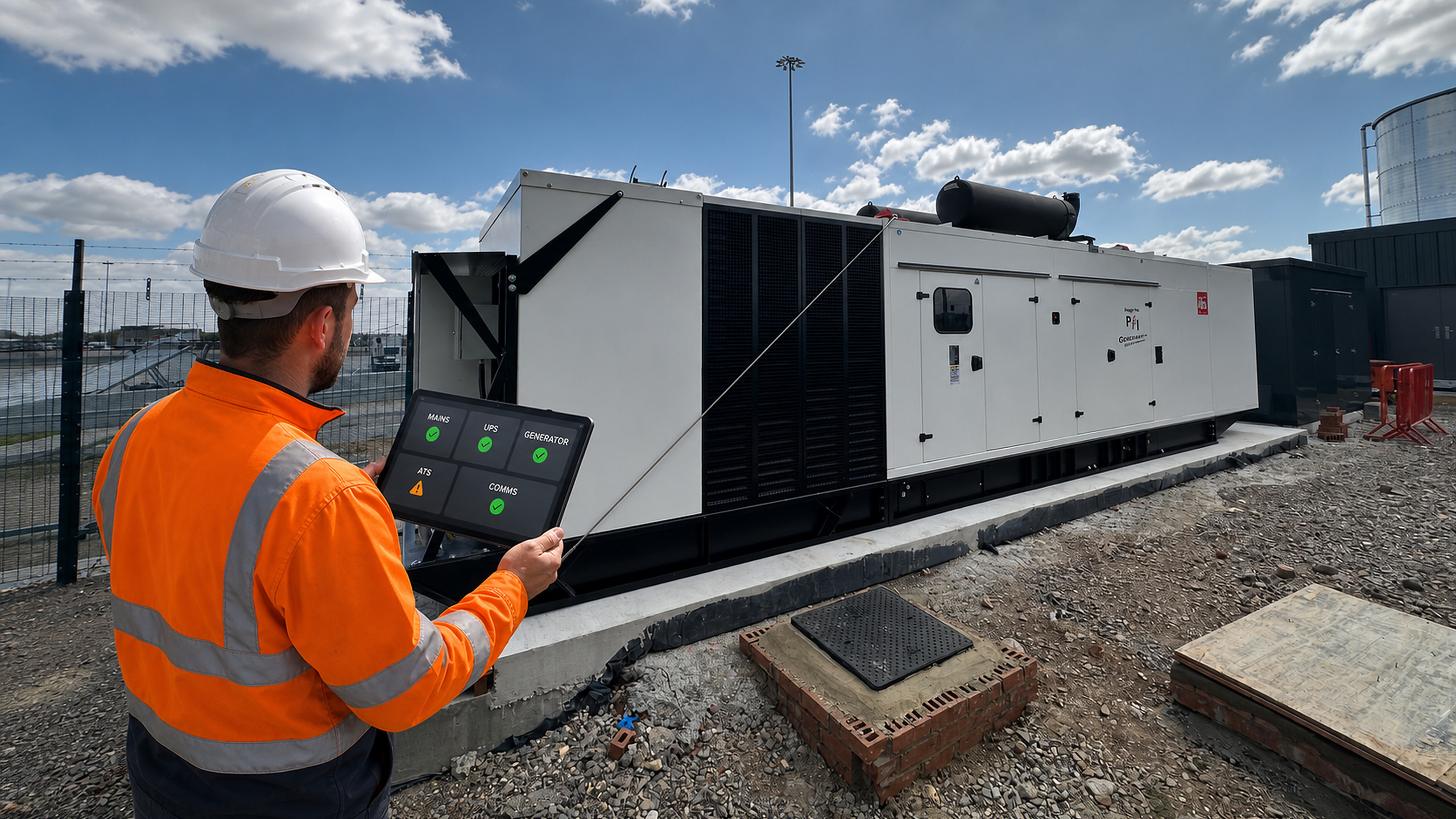
2 October 2026
A BMS can show that a generator is running or that a UPS has a...
Read more...
Generator Fuel Autonomy: How Many Hours of Backup Power Does Your Site Need?

25 September 2026
'How many hours will the generator run?' sounds like a simple fuel-tank question. In practice,...
Read more...
How Often Should an Automatic Transfer Switch Be Tested?

18 September 2026
An automatic transfer switch may remain in one position for months, then be expected to...
Read more...
UPS Fan Fault: Causes, Risks and Safe Next Steps

11 September 2026
Fans remove heat from power electronics, filters, transformers and other UPS components. If a fan...
Read more...
View all