

Latest News

Data centre backup power is an important aspect of any emergency power shortage plan. It is important to always have a backup power supply for your data centre in case of emergencies such as power cuts due to extreme weather. For many businesses having a backup plan can make all the difference when it comes to power cuts. Having the backup supply there when you need it relieves any stress and worries waiting for the power to be restored.
How do you back up a data centre?
There are a few different types of backup power systems available. The most common is a have a permanent UPS and standby generator always ready to give maximum protection in the event of a mains failure. Emergency generators can be used to provide power, but the delay in getting them to site and installing often means they are not as suitable for use with a data centre.
What generator is best for a data centre?
There are a few things to consider when choosing a backup power system for your data centre. The first is the size of the system required and the level of protection required. You will need to choose a system that is large enough to power your entire data centre with sufficient redundancy built into the system to prevent a failure. The second is the fuel source. You will need to consider fuel sources that are readily available, sustainable and easy to store. The third is the runtime. You will need to choose a system that can provide power for the amount of time you need it. Ensuring you are clear on your requirements will enable you to make the right decision on which backup power supply you choose.
Whether it be a small rack of servers or an entire data centre backup power is an important aspect of any emergency power shortage plan. Having the right system in place can make all the difference when it comes to power cuts. Choosing the right system for your data centre is important to ensure that you are prepared for any emergency.
How do you prevent a data centre from overheating?
Overheating is a big risks to the equipment in data centres. To prevent overheating, data centres need to have proper cooling systems in place. The most common type of cooling system is an air conditioning system. Air conditioning systems circulate cool air around the data centre to keep the temperature at a safe level.
How do you use your backup power for a data centre effectively?
Once you have a backup power system in place, it is important to test it regularly to ensure that it is working properly. Testing the system regularly will help to ensure that it is ready to use when you need it. Additionally, having a plan in place for how you will use the backup power system will help to make sure that you are using it effectively. Knowing how long the system can provide power for with a plan of how to refuel when necessary will help you keep the data centre running during a power outage. Having a plan in place will help to keep your data centre running smoothly even when the power is out for long periods of time.
Data centre backup power is an important aspect of any business's emergency power supply plans. While the option to hire a system in case of extreme emergencies, it is always best to have a backup power supply ready and waiting when you need it. P&I specialise in the supply of UPS and Diesel generators. No matter the size of your business, or your power requirements our team of experts are ready to help. Contact us now.
Latest news
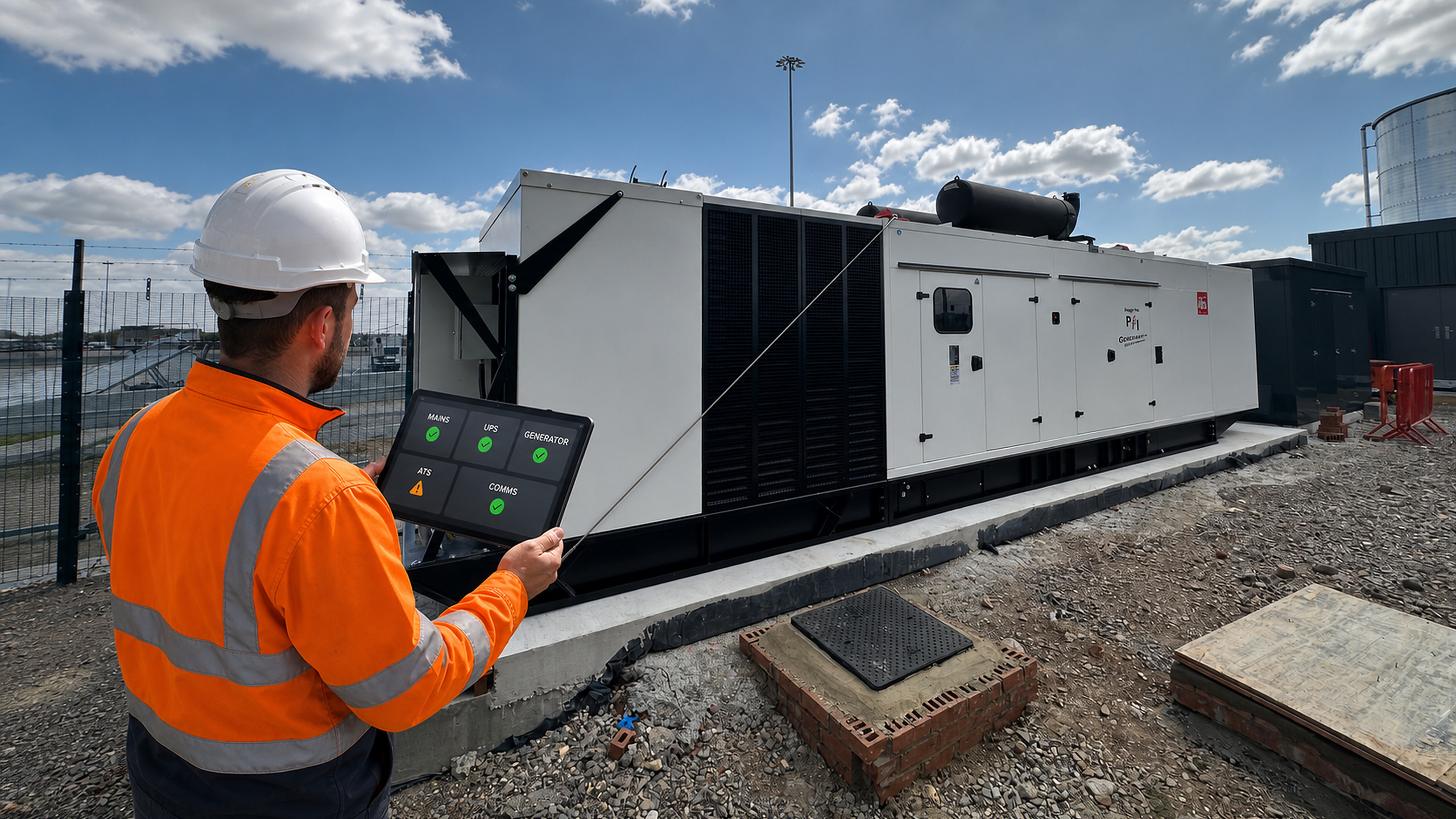
What Signals Should a UPS or Generator Send to a BMS?
2 October 2026
A BMS can show that a generator is running or that a UPS has a...
Read more...
Generator Fuel Autonomy: How Many Hours of Backup Power Does Your Site Need?

25 September 2026
'How many hours will the generator run?' sounds like a simple fuel-tank question. In practice,...
Read more...
How Often Should an Automatic Transfer Switch Be Tested?

18 September 2026
An automatic transfer switch may remain in one position for months, then be expected to...
Read more...
UPS Fan Fault: Causes, Risks and Safe Next Steps

11 September 2026
Fans remove heat from power electronics, filters, transformers and other UPS components. If a fan...
Read more...
Backup Power for Wastewater Pumping Stations During Peak Wet Weather

1 September 2026
A power failure at a wastewater pumping station is difficult at any time. During prolonged...
Read more...
View all