

Latest News

Many times we only think about investing in something like a critical power generator after there is a power outage. Unfortunately, that may not be the best time to buy. If you can plan ahead and get an emergency critical power generator, you will save yourself a lot of stress during those hours without power as well as save money on costs. The first thing to consider when investing in an emergency critical power generator is the best type for your needs.
The three types of generators.
Permanent, portable, and mobile generators are three kinds of generators available. During blackouts or natural disasters, permanent standby models (standby power SPR) provide businesses with a reliable backup source of power. Some businesses even use them as their main source of power (Prime power PPR). Standby generators are connected to your business's electrical systems and stay in place until the electricity goes out. When it does, they can turn on automatically to provide electricity during emergencies. They're best for companies that can't afford any downtime because they run constantly when necessary, ensuring maximum uptime.
Portable generators.
Portable generators are generally quite small and may provide power to multiple equipment connected to them. They often come with wheels and a handle for easy transportation as this will allow you to move them wherever they're needed most during an outage. Portable generators aren't connected directly to your building's electrical system like a permanent or mobile generator is, so they're ready to go when you need them.
Mobile generators.
Mobile generators are often built onto road tow trailers or are delivered on the back of a lorry to wherever you may need them. Mobile generators are typically used as temporary power sources during construction or for emergencies (emergency power EPR)
Fuel is a factor to think about.
Next, it's important to consider the fuel source of your new emergency critical power generator. There are several options from which to choose. Emergency generators typically run on diesel, petrol or natural gas. Each has its own set of advantages and disadvantages.
Diesel is the usual go-to fuel for most standby generators as it is a readily available fuel. Diesel generators are more efficient than petrol sets with lower maintenance requirements. The storage of diesel fuel is safer and diesel generators have a good power output as are able to handle larger power loads for long durations. However, diesel is not environmentally friendly and the sets can be noisy.
Generators that use petrol as their fuel source are usually the least expensive option. They cost less than those that run on other types of fuel. Also, since they run on a very common fuel, you won't have any trouble finding it if an emergency arises. The downside to generators that run on petrol is that they are typically smaller with less power than those that run on other types of fuel.
These units are also harder to maintain than units with other fuel sources because petrol can go bad. Petrol shouldn't be used in a generator that has been sitting for several months or years because it will clog up the fuel system. In addition, petrol is a very explosive substance!
If you choose a natural gas generator, you won't have to worry about going out and buying more fuel if the power goes out. Natural gas can be piped directly to your unit, which eliminates fuel storage issues. However, if there's a gas leak or other problem with the natural gas line, you will still have no power. Natural gas generators are also much more expensive to purchase and install than the other fuel types.
Gas generators are typically less powerful because they can't adjust the size of the air intake as easily as those with other fuel sources can.
Our team is available to talk you through the various options available. Investing in an emergency critical power generator is a huge task and you need to make sure that you are making the right choice.
Speak with our experts now.
Latest news
Temporary Power for Planned Shutdowns: A Site-Readiness Checklist
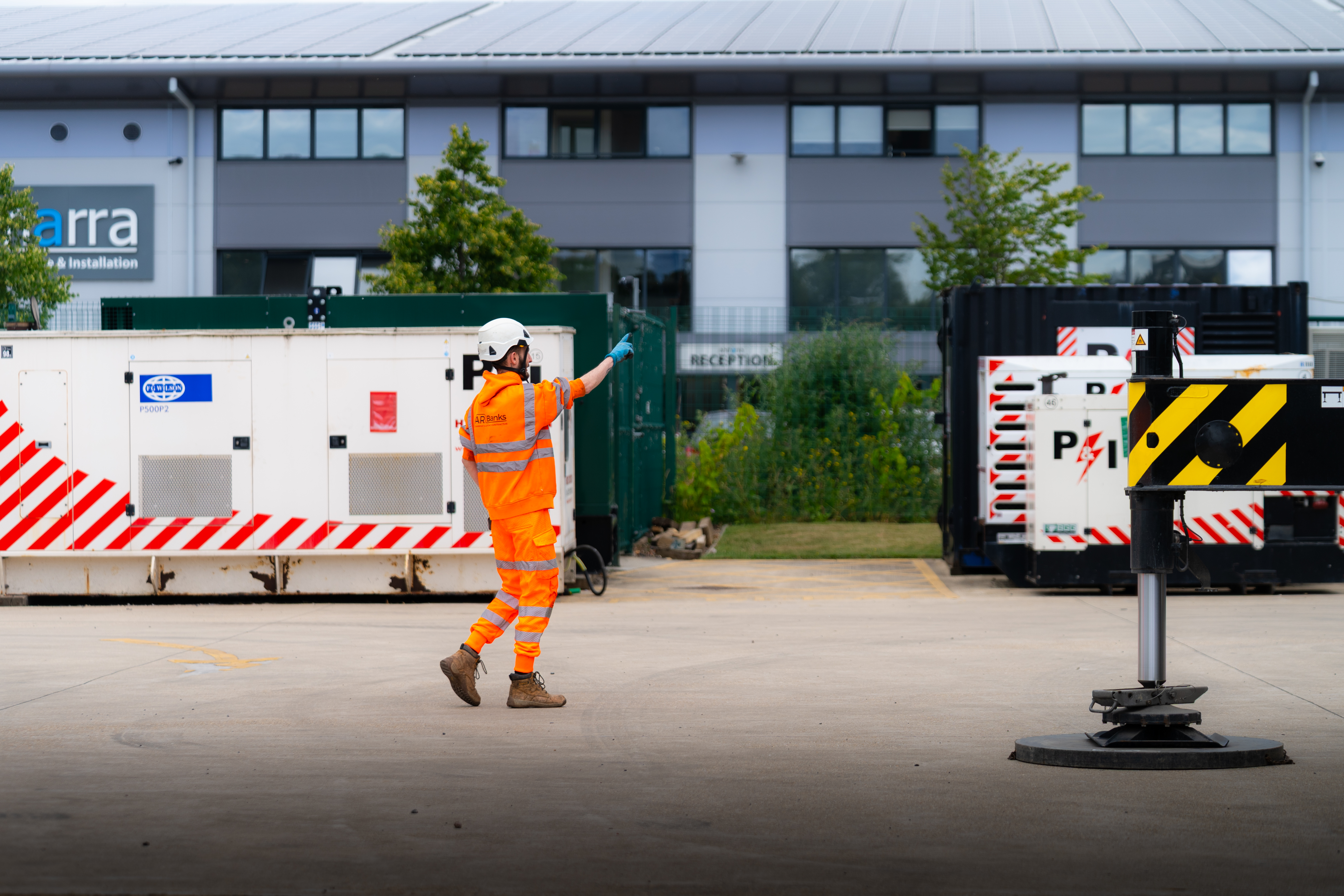
8 October 2026
A planned electrical shutdown should be easier to manage than an emergency outage. The date...
Read more...
What Signals Should a UPS or Generator Send to a BMS?
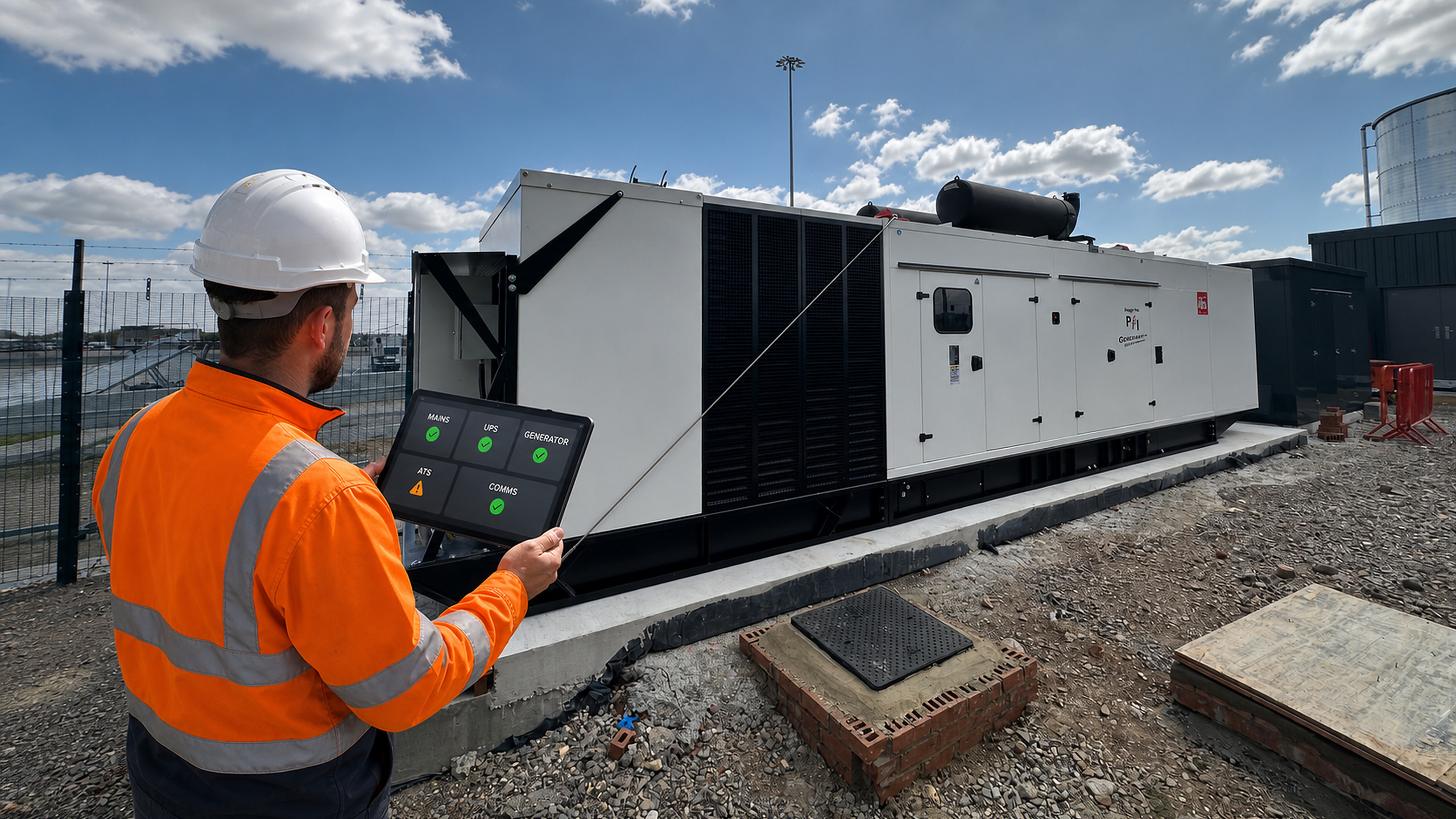
2 October 2026
A BMS can show that a generator is running or that a UPS has a...
Read more...
Generator Fuel Autonomy: How Many Hours of Backup Power Does Your Site Need?

25 September 2026
'How many hours will the generator run?' sounds like a simple fuel-tank question. In practice,...
Read more...
How Often Should an Automatic Transfer Switch Be Tested?

18 September 2026
An automatic transfer switch may remain in one position for months, then be expected to...
Read more...
UPS Fan Fault: Causes, Risks and Safe Next Steps

11 September 2026
Fans remove heat from power electronics, filters, transformers and other UPS components. If a fan...
Read more...
View all