

Latest News
A business backup generator supplies electricity when the main power fails, protecting essential systems. Learn more about how they work with P & I Group.

Power outages can be disastrous for your business if you don't have a reliable backup power solution.
A business backup generator supplies electricity when the main power fails, protecting essential systems like lighting, servers and security equipment. Knowing how it works helps you choose the right system and maintain steady operations when the grid goes down.
Here, we'll cover the core principles of generators, explore the main types and their practical uses. You'll learn what makes a backup generator an essential investment for business continuity and how to select and manage one effectively.
Core principles of business backup generators
A business backup generator provides a reliable backup power source when mains electricity fails. It uses an internal combustion engine to create mechanical energy, which is then converted into electrical energy through electromagnetic induction.
Key components: engine, alternator and fuel system
The engine forms the heart of the generator. It converts fuel energy into mechanical motion. Most business units use diesel engines for durability, long-term power capabilities and lower carbon output compared to petrol alternatives
The fuel system includes a fuel tank, fuel filter and lines that deliver fuel to the engine. Proper filtration prevents clogging, while the tank size determines how long your generator can run without refuelling. Fuel polishing and contamination checks are also essential to prevent diesel bug and blocked injectors.
The alternator, mounted on the main assembly frame, converts the engine’s mechanical energy into electrical energy. It contains a rotor and stator that create a magnetic field. As the rotor spins, the movement of the magnetic field induces current in the stator windings, producing a stable AC output that powers your equipment.
Together, these components maintain a steady flow of electrons through an electric conductor, forming a usable electric current for your building’s systems.
Conversion of mechanical energy to electrical energy
The conversion process relies on electromagnetic induction. When the engine turns the alternator’s rotor, it moves within a magnetic field, creating a flow of electrons in the stator coils. This movement into electricity produces alternating current (AC) that powers your electrical equipment.
A voltage regulator stabilises the output,keeping voltage consistent even when the load changes to protect sensitive equipment from voltage dips or surges. Without this regulation, sensitive devices could suffer damage from voltage fluctuations.
The cooling and exhaust system prevents overheating during operation while lubrication systems protect moving components from friction and premature wear. Heat exchangers and fans remove excess heat, while exhaust systems safely release combustion gases. These parts ensure efficient and safe energy conversion over long periods.
Types, operation and practical considerations
Business backup generators vary by installation type, fuel source and upkeep needs. Each factor affects performance, cost and reliability when providing electricity during power outages.
Fuel sources and energy outputs
Generators differ in fuel type, which affects runtime, emissions and maintenance. Diesel generators are the preferred option in commercial settings because they offer durability and efficient energy conversion.
Natural gas and propane options provide cleaner combustion and lower emissions, but businesses opting for these generators need consistent access to fuel lines. Petrol units are easier to refuel but emit more greenhouse gases and are generally unsuitable for prolonged commercial operation due to shorter engine life and higher fuel volatility.
The range of energy outputs varies widely. Smaller units may power small items or lighting, while industrial models can run entire facilities. Hybrid systems that combine fuel engines with battery storage or on-site renewables (such as solar PV) can serve as sustainable alternatives for maintaining energy without access to power from the grid during an outage.
Safety, maintenance and servicing requirements
Before operation, inspect your generator for leaks, loose wiring or blocked vents. Always run it in a well-ventilated area to prevent carbon monoxide buildup. Use ear protection when operating near loud engines.
Routine generator servicing ensures safe and efficient performance. Schedule generator maintenance through authorised service centres and partners like P&I Group. We'll check oil levels, filters and perform full diagnostics servicing to ensure your generator is always ready to operate when you need it.
It's important to keep records of each inspection and carry out load bank testing regularly to verify generator performance under controlled conditions and prevent wet stacking. You should also replace worn parts promptly and clean air filters regularly, which is often included in service contracts. Proper servicing extends the equipment's life and ensures your backup source remains dependable when you need electricity most, especially during unplanned outages or seasonal demand spikes.
Frequently asked questions
A business backup generator relies on several key systems that work together to deliver stable power during an outage. Understanding its components, proper sizing, and maintenance helps you ensure reliable operation and compliance with safety and legal standards.
What are the primary components of a commercial backup generator?
A commercial generator includes an engine, alternator, fuel system, control panel, battery, cooling system and exhaust system. The engine drives the alternator to produce electricity, while the control panel manages safety, monitoring and automatic start-up functions.
What is the difference between portable and fixed backup generators?
Portable generators supply power suited for homes, small premises or light loads. Fixed generators deliver higher capacity and improved efficiency, making them suitable for larger commercial buildings, industrial operations and critical infrastructure. Fixed units also integrate with automatic transfer switches (ATS) for seamless failover.
How can a business determine the appropriate size for a backup generator?
You should calculate the total wattage of your business-critical systems, such as lighting, HVAC, servers and security equipment. Add a safety margin for starting currents and future expansion. A professional load assessment or site survey by P&I Group ensures the generator is correctly sized for both running and surge loads.
What maintenance procedures are essential for ensuring the reliability of a backup generator?
Perform regular oil and filter changes, inspect the fuel system and test the battery. Run the generator under load regularly to keep it ready for emergencies. Keeping the exterior of your generator and areas like the filter clean and free of debris is important too. Many experts recommend scheduled inspections to prevent failures and extend equipment life. Check out P&I Group's weekly, monthly and annual generator maintenance checklist.
What are the legal and safety considerations when installing a backup generator for a business?
You must have your generator installed by a qualified electrician or engineer, like those at P&I Group. This reduces the risk of hazards linked to poor wiring, incorrect earthing or unsafe fuel storage. Your generator must also comply with local planning rules, noise regulations and environmental standards, particularly if it’s positioned outdoors or near occupied areas.
Proper ventilation is essential to prevent carbon monoxide buildup, and generators should include automatic shut-off, overload protection and compliant exhaust systems. External fuel tanks may require bunding and adherence to fire-safety legislation. Professional installation ensures compliance with UK regulations, adherence to manufacturer requirements and safe operation throughout the generator’s life.
Latest news
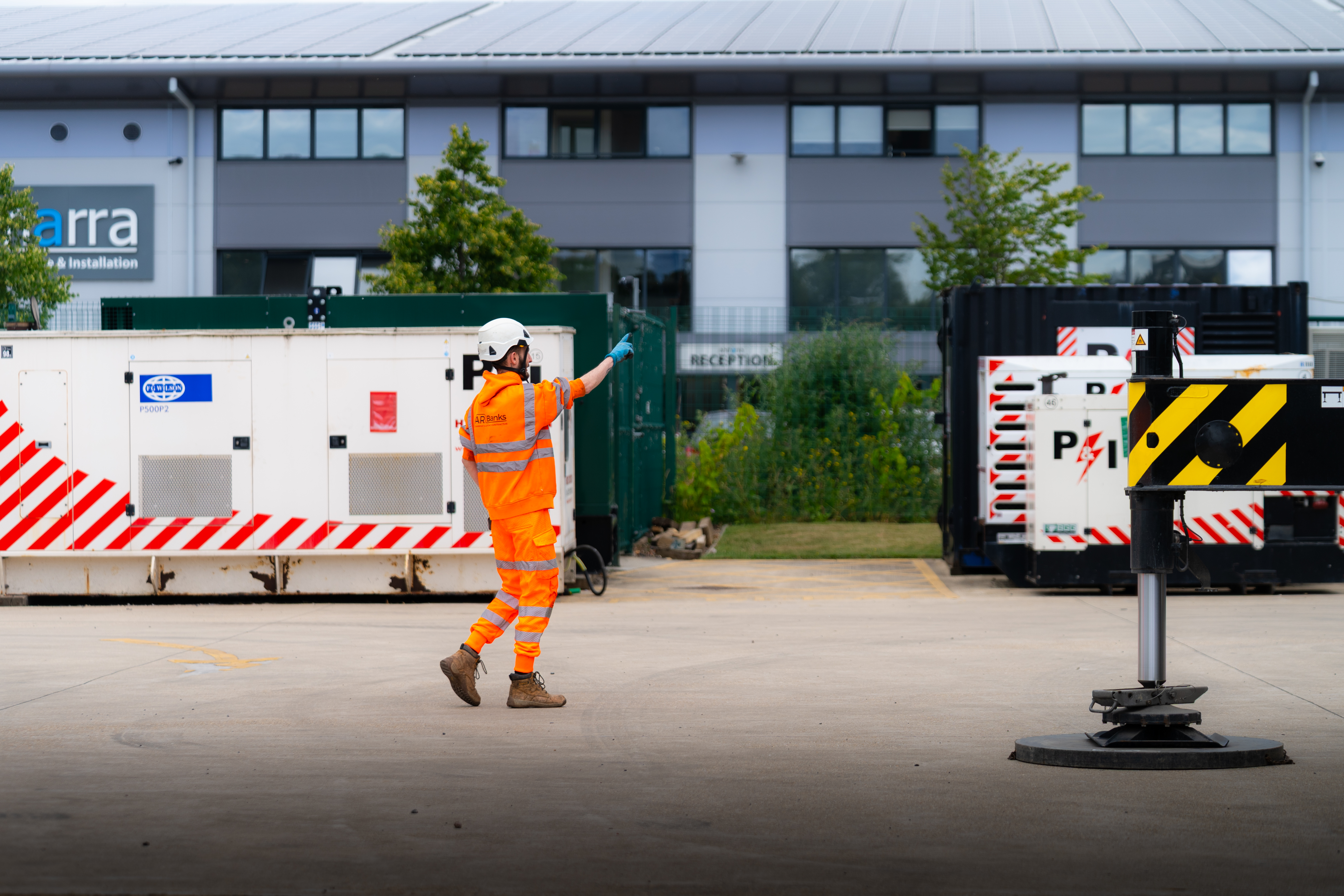
Temporary Power for Planned Shutdowns: A Site-Readiness Checklist
8 October 2026
A planned electrical shutdown should be easier to manage than an emergency outage. The date...
Read more...
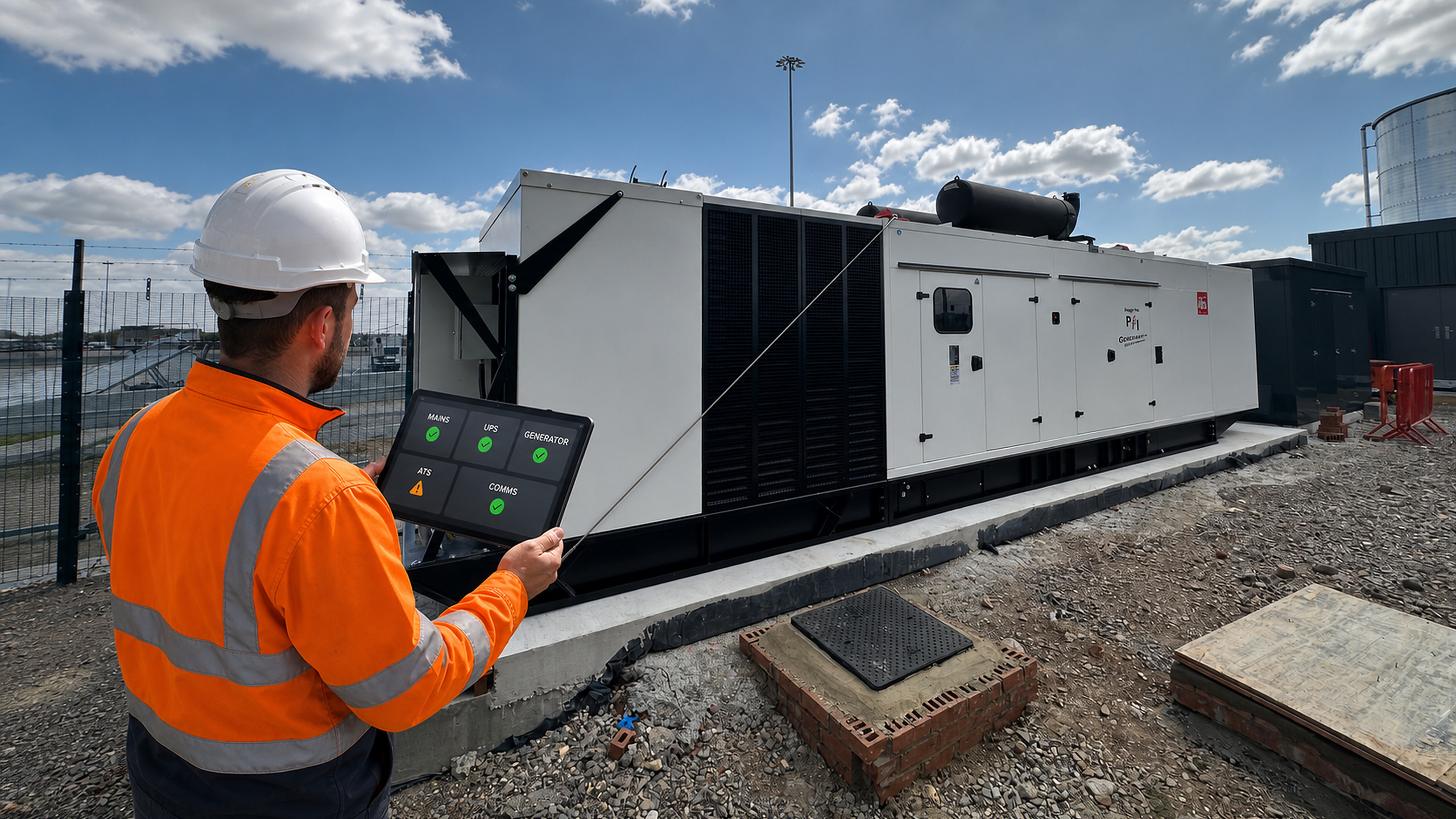
What Signals Should a UPS or Generator Send to a BMS?
2 October 2026
A BMS can show that a generator is running or that a UPS has a...
Read more...
Generator Fuel Autonomy: How Many Hours of Backup Power Does Your Site Need?

25 September 2026
'How many hours will the generator run?' sounds like a simple fuel-tank question. In practice,...
Read more...
How Often Should an Automatic Transfer Switch Be Tested?

18 September 2026
An automatic transfer switch may remain in one position for months, then be expected to...
Read more...
UPS Fan Fault: Causes, Risks and Safe Next Steps

11 September 2026
Fans remove heat from power electronics, filters, transformers and other UPS components. If a fan...
Read more...
View all